
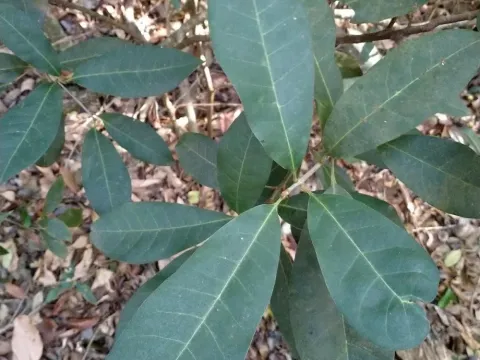
Pleioluma
Pleioluma
Pleioluma is a genus of evergreen trees belonging to the Sapotaceae family. These plants are native to tropical regions, primarily inhabiting the rainforests of Australia, New Guinea, and various Pacific islands, where they play a significant role in the local ecosystem.
What the section contains
Pleioluma
The cultivation of Pleioluma requires a strictly tropical climate characterized by consistently high temperatures and high humidity levels throughout the year. The plants are highly susceptible to cold stress, making them unsuitable for regions that experience frost or significant seasonal temperature drops.
Ideal soil conditions involve rich, well-drained loamy soils that can retain enough moisture to support growth without becoming waterlogged. The presence of adequate organic matter is essential, and soil acidity should ideally be maintained in a slightly acidic to neutral range for optimal nutrient uptake.
Agricultural practices for Pleioluma emphasize regular watering, especially during early development stages to establish a strong root system. Mulching around the base of the trees helps maintain soil moisture and protects the roots from extreme surface heat typical in tropical sun exposure.
Protection from strong winds is advisable in exposed areas, as branches can be vulnerable to breakage. While the plants can tolerate some shade in their juvenile phase, they generally prefer spots with filtered light to ensure healthy canopy development and overall vitality.
The economic use of Pleioluma is primarily focused on its timber, which is valued for its density, strength, and durability. In certain regions, specific species are also recognized for their edible fruits, providing a source of sustenance and potential interest for local markets.
Harvesting fruits requires precision, focusing on specimens that have reached physiological maturity. Because the fruits are often perishable, they should be processed or consumed shortly after picking to maintain their quality and prevent rapid spoilage in warm environments.
Timber harvesting should be approached with a focus on sustainability, given the generally slow growth rate of species within the genus. Implementing selective logging practices helps preserve the genetic diversity and ecological balance of the native forests where these trees flourish.
Post-harvest management of fruit involves sorting, cleaning, and rapid cooling to extend the shelf life of the produce. Proper ventilation during transport is crucial to minimize the risk of fungal growth that often affects tropical fruits stored in high-humidity conditions.
Ongoing research into Pleioluma aims to further understand the nutritional profile of its fruits and the physical properties of its wood. These efforts support the potential for more organized cultivation and utilization of the genus in commercial agroforestry projects.