
Palaquium xanthochymum
Palaquium xanthochymum
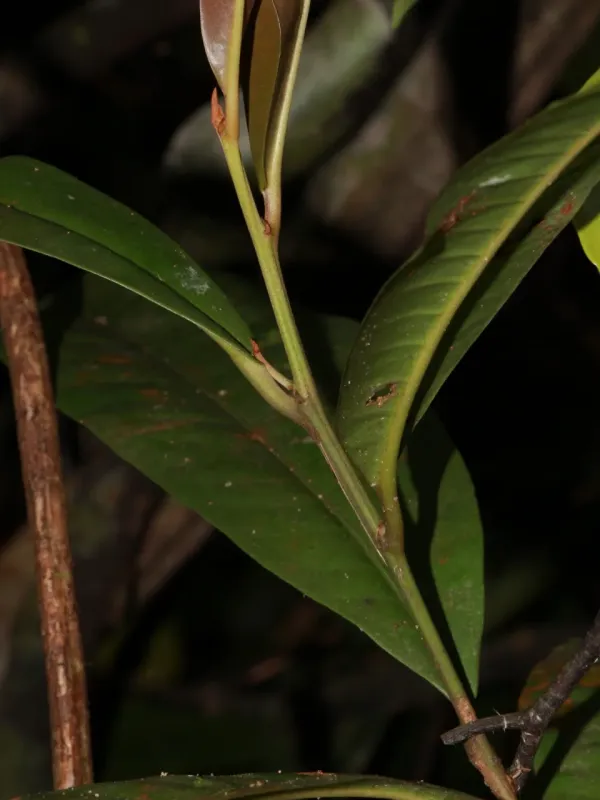
Description
Growing requirements
Palaquium xanthochymum is a species of tropical tree belonging to the Sapotaceae family. It is native to the humid tropical forests of Southeast Asia and is well-adapted to high-rainfall environments.
The tree thrives in stable, warm climates where temperatures rarely drop below 18-20°C. It requires high relative humidity throughout the year to maintain its physiological processes.
Optimal soil conditions include well-drained, nutrient-rich soils. While the plant can tolerate various soil types, it performs best in deep, loamy substrates that do not retain excess water.
In terms of light, young Palaquium xanthochymum specimens require shade, while mature trees can tolerate more direct sun, often forming part of the canopy in their natural habitat.
Proper agricultural management involves ensuring consistent soil moisture and protecting the root zone from compaction to promote healthy development during the juvenile phase.
Yield
The primary economic value of Palaquium xanthochymum lies in its latex, which is harvested for gutta-percha, a natural polymer used in various industrial applications.
Its timber is highly valued in local markets for its durability and resistance to rot, making it suitable for construction, flooring, and specialized carpentry projects.
The fruits of the tree are edible and represent a supplementary food source, contributing to local food security in the regions where the tree is grown.
Economic yields are typically calculated based on the quantity of latex extractable per tree, which peaks during the active growth periods of the mature timber.
Ongoing research explores the chemical composition of the plant, potentially uncovering further medicinal uses for the bark and leaf extracts in botanical pharmacology.
Main diseases and pests
Fungal infections of the bark are a significant threat, especially following invasive latex extraction techniques that expose the inner tissues to pathogens.
Insects such as scale insects and aphids can infest the foliage, leading to reduced photosynthesis and overall tree weakness if left unchecked.
Root rot, induced by waterlogged soil conditions, remains the most common cause of mortality in plantation settings, necessitating precise drainage management.
To preserve the health of the plantation, integrated pest management (IPM) strategies should be employed to balance natural predator populations with necessary intervention.
- Regular pruning helps remove infected branches and promotes air circulation.
- Sanitary practices during extraction are crucial to prevent the spread of diseases between trees.