
Planchonella
Planchonella Pierre
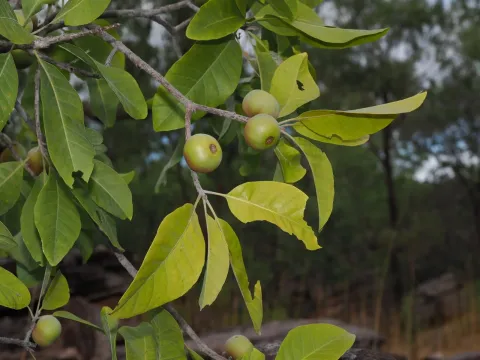
Planchonella is a genus of trees and shrubs belonging to the Sapotaceae family. These plants are typically found in tropical regions, thriving in humid, warm environments that characterize their native ecosystems across the globe.
What the section contains

Planchonella
The culture requires fertile, well-drained soil rich in organic matter to reach optimal growth. Heavy, waterlogged soils are detrimental to the root system, so proper soil preparation and drainage systems are essential for agricultural success.
Climatic requirements focus on maintaining high temperatures between 22 and 30 degrees Celsius. Planchonella is highly sensitive to frost, necessitating protection in areas where temperatures may drop, as well as a high level of ambient humidity.
Agricultural management involves routine irrigation and moisture regulation to simulate the natural rainforest climate. Proper spacing between trees is crucial to ensure adequate air circulation, which prevents the buildup of excess humidity within the canopy.
Regarding utilization, Planchonella is valued primarily for its edible fruits, which are a significant food source in many tropical areas. Additionally, the wood of several species is utilized for its durability in local construction projects and tool making.
Common health issues for the culture include fungal infections that manifest as leaf spots or stem decay, particularly during the wet season. These pathogens can significantly impact leaf surface area and reduce the overall photosynthetic capacity of the plant.
Insect pests such as scale insects, mealybugs, and spider mites represent a constant challenge for growers. These pests extract plant sap and can cause structural damage to young shoots, creating entry points for opportunistic bacteria and viruses.
Integrated Pest Management (IPM) strategies are highly recommended to mitigate these risks. This includes the use of biological controls, strategic pruning to improve airflow, and the application of environmentally safe insecticides when thresholds are exceeded.
Monitoring the soil's water content is essential to prevent root rot, a common disease in orchards with poor drainage. If signs of decay appear, it is imperative to reduce irrigation and apply targeted soil fungicides to stabilize the root environment.
Nutritional balance through proper fertilization programs is fundamental in maintaining the plant's natural resistance. Healthy, well-nourished trees exhibit stronger cuticles and immune responses, making them less susceptible to infestation and infection.