
Planchonella sphaerocarpa
Planchonella sphaerocarpa
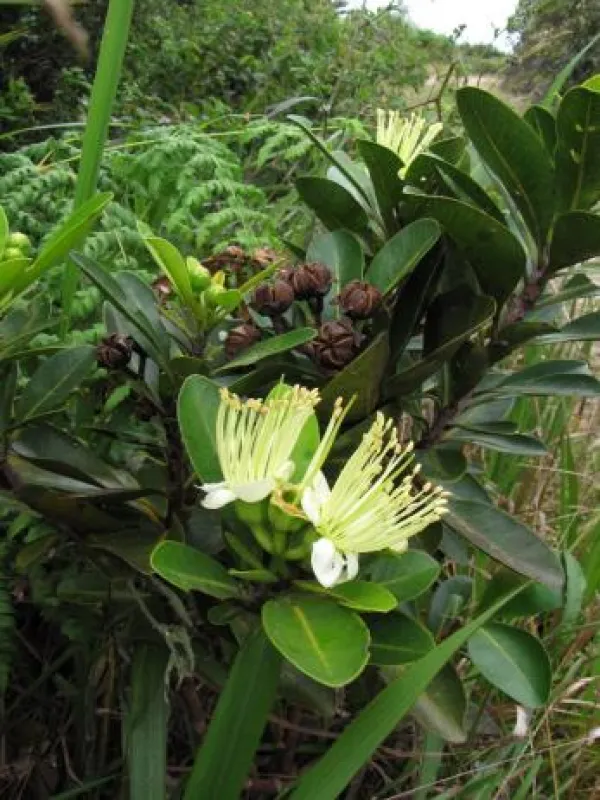
Description
Growing requirements
Planchonella sphaerocarpa is an evergreen tree species belonging to the Sapotaceae family. Native to the tropical forests of South America, specifically Brazil, this plant thrives in environments characterized by high humidity and consistent tropical temperatures throughout the year.
For successful cultivation, the plant requires fertile, well-drained soils rich in organic matter. Soil aeration is critical for this species, as waterlogged conditions can lead to root system degradation and poor vigor, eventually limiting the plant's growth and fruiting potential.
Botanically, the tree is known for its dense foliage and robust growth structure. Its leathery leaves serve as a physiological adaptation to maintain internal water balance in its native habitat. The species typically requires a full-sun to partial-shade environment for optimal metabolic activity.
In terms of climatic requirements, Planchonella sphaerocarpa performs best in tropical climates with minimal temperature fluctuations. Ensuring high ambient humidity is crucial during the plant's juvenile development phase to prevent stress and dehydration.
Economically, the species is cultivated for its edible fruits, which hold local cultural and nutritional importance. Additionally, its wood is valued for structural applications, noted for its hardness and durability in various construction and furniture-making contexts.
Main diseases and pests
The primary threats to Planchonella sphaerocarpa include various fungal pathogens that flourish in high-humidity tropical environments. These fungi can impact leaf health and result in premature fruit drop if managed incorrectly.
Insect pests, particularly fruit-boring larvae, represent a significant challenge for growers. Regular monitoring during the fruit development stage is necessary to mitigate losses and maintain high product quality.
Soil-borne diseases such as root rot can occur if soil management is inadequate or if drainage is insufficient. Maintaining a proper pH balance and implementing mulching practices are key strategies for prevention and long-term tree health.
Invasive vines and weeds can compete with young trees for nutrients and light. Manual weeding and establishing a clear zone around the base of the tree are recommended practices to ensure the plant establishes itself successfully.
Rodents and other small mammals may occasionally cause damage to the bark of younger saplings. Utilizing protective tree guards or physical barriers is an effective approach to prevent such mechanical injuries.