
Planchonella duclitan
Planchonella duclitan
Description
Growing requirements
Planchonella duclitan is an evergreen tree belonging to the Sapotaceae family. As a tropical species, it plays a vital role in the biodiversity of its native forest habitats, contributing to the canopy structure and soil health.
The natural range of this tree includes the tropical regions of Southeast Asia, such as Indonesia, the Philippines, and New Guinea. It thrives in humid environments where the annual rainfall is high and temperatures remain consistent throughout the year.
The culture requires deep, nutrient-rich soils with good drainage to prevent root rot. It is not suitable for regions with prolonged dry seasons or cold winters, as the plant cannot tolerate freezing temperatures or significant water deficit.
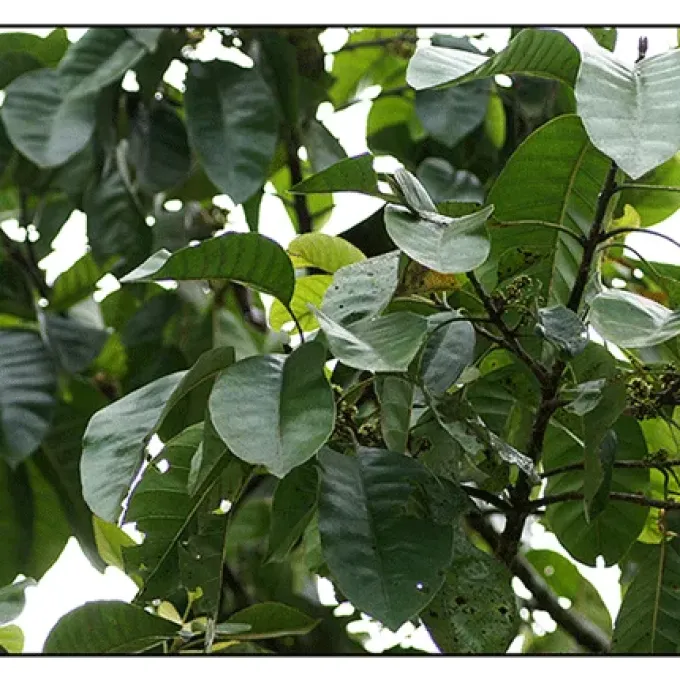
Botanically, Planchonella duclitan is characterized by its broad, leathery leaves that are adapted to high humidity. The tree possesses a robust root system that helps it maintain stability in the often unstable and moist soils of the tropical rainforest floor.
Agrotechnical management primarily focuses on selective silviculture. Because the tree is adapted to a multi-layered forest environment, providing appropriate shade and protection during the early stages of its development is crucial for success.
Harvesting
The primary economic value of Planchonella duclitan lies in its timber, which is appreciated for its durability and resistance to decay. This makes it a preferred material for construction in high-humidity tropical climates.
In addition to timber, the tree produces edible fruits that are locally harvested. These fruits provide essential nutrients and are occasionally used in traditional practices, making the tree a multi-purpose resource for local communities.
Harvesting the fruits is a seasonal task that requires careful timing to ensure maximum nutritional value. Due to the height of mature trees, manual harvesting methods remain the most common way to gather the produce without damaging the branches.
Sustainable forest management is key when harvesting the wood of Planchonella duclitan. By employing rotational harvesting cycles, foresters can ensure the long-term survival of the species while meeting market demand for high-quality wood.
Future agricultural research into the propagation of this species could lead to more efficient orchard-style cultivation, potentially increasing yields while reducing the pressure on remaining wild tropical forest populations.