
Planchonella maingayi
Planchonella maingayi
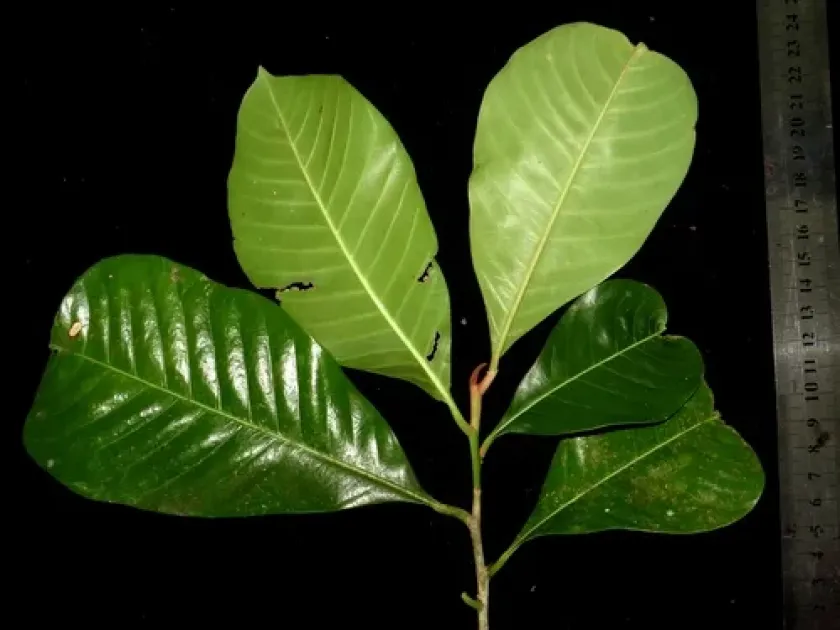
Description
Growing requirements
Planchonella maingayi is a tropical tree species belonging to the Sapotaceae family, native to the diverse rainforests of Southeast Asia.
The species thrives in humid tropical climates characterized by high annual rainfall and minimal temperature fluctuations, which are essential for healthy growth.
Soil requirements for this plant include deep, nutrient-rich, and well-draining substrates, as it cannot tolerate waterlogging, which often leads to root fungal issues.
Agrotechnical management involves consistent monitoring of soil moisture and ensuring that young trees are protected from excessive wind exposure during their establishment phase.
Botanically, the tree is noted for its evergreen canopy and robust trunk development, which makes it a species of interest in local forestry management and tropical agriculture.
Harvesting
The primary utility of Planchonella maingayi lies in its timber, which is valued for its density and durability in various construction applications.
Harvesting timber requires precise planning to ensure sustainable yields, given the relatively slow maturation cycle of these tropical trees.
The fruits, while less common in global trade, are sometimes harvested by local communities for nutritional purposes during the peak maturation season.
Post-harvest handling of the wood involves careful seasoning to prevent cracking and to stabilize the cellular structure of the timber for industrial use.
Proper management of the harvesting cycle is vital for maintaining the health of local forest stands and ensuring long-term ecological balance.