
Planchonella costata
Planchonella costata
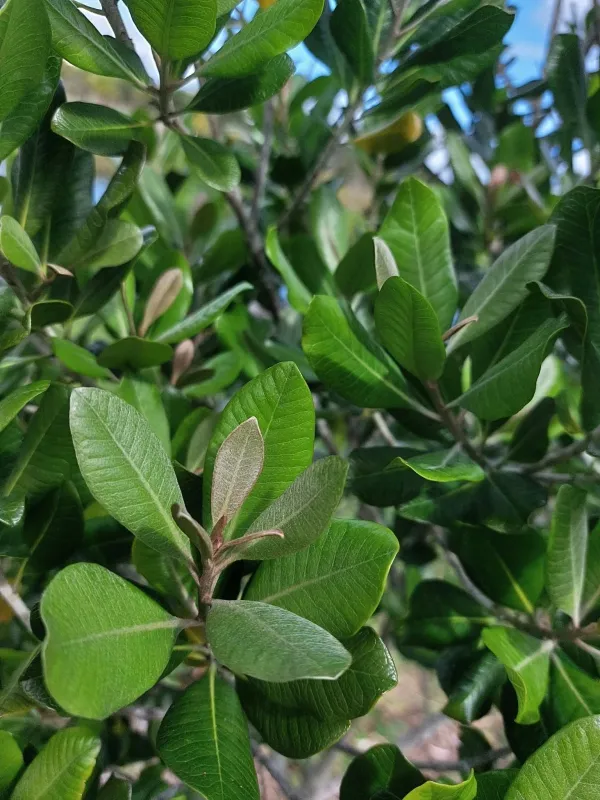
Description
Growing requirements
Planchonella costata belongs to the Sapotaceae family and is native to the coastal forests of New Zealand and the Norfolk Islands. It is a slow-growing evergreen tree that has evolved to thrive in high-humidity maritime environments.
The species prefers well-drained soil types, demonstrating a high tolerance for poor or rocky substrates. Its ability to withstand saline coastal winds makes it an excellent candidate for maritime reforestation projects and soil erosion control.
Climatic requirements for optimal development include mild, frost-free conditions throughout the year. While the tree shows resilience to wind, it performs best when protected from extreme cold that can damage developing foliage.
Agronomic management of Planchonella involves careful moisture monitoring. Although the tree is hardy, consistent soil moisture is essential during the early stages of growth to establish a deep root system.
Standard care includes regular inspections for structural integrity and the application of organic mulch to mimic the natural floor conditions of coastal forests, which helps in moisture retention and weed control.
Harvesting
The harvesting of Planchonella costata is primarily focused on seeds for propagation or ecological studies. The fruits, which are fleshy berries, reach maturity over several weeks, necessitating careful timing for collection.
The timber of Planchonella costata is historically significant for its high density and strength. It has been utilized in specialized woodworking where durability and resistance to environmental decay are paramount requirements.
Sustainable harvesting practices are essential when collecting seed stock to ensure the continued survival of the species in the wild. This practice supports local nurseries dedicated to ecological restoration.
As a landscape plant, the species provides significant value to local wildlife, particularly bird species that rely on the fruit for nutrition. This creates a symbiotic relationship within the managed plantation area.
Future potential for this culture includes further investigation into its chemical compounds for industrial applications, potentially widening the scope of its economic importance beyond reforestation and ecological service.