
Planchonella obovata
Planchonella obovata
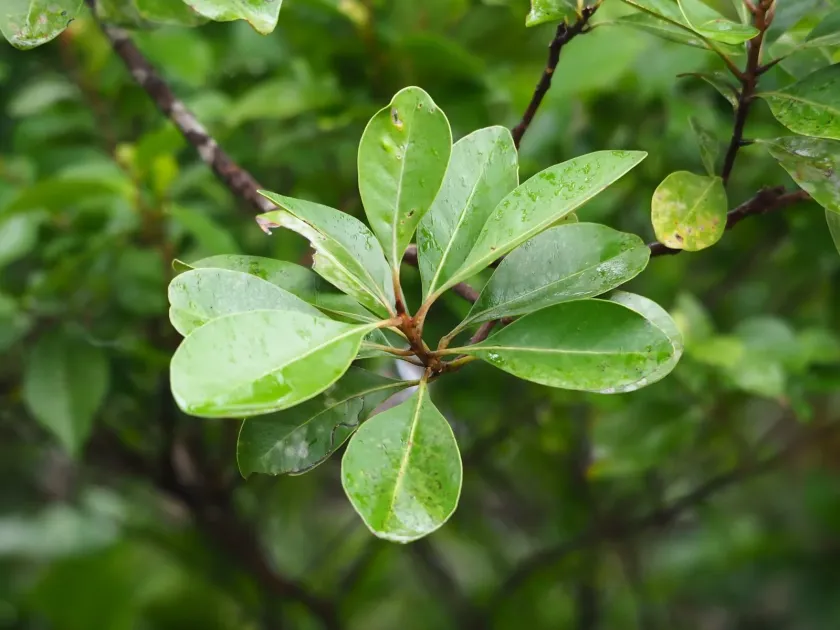
Description
Growing requirements
Planchonella obovata is a distinctive species within the Sapotaceae family. This evergreen tree is valued for its hard, durable timber and its ability to thrive in coastal tropical environments.
The native range of the species covers various tropical parts of Asia and the Pacific. It is highly adapted to humid conditions and is often found in forest areas that require plants with high salt and wind tolerance.
Cultivation requirements include a tropical climate with consistent temperatures ranging from 22 to 30 degrees Celsius. It is crucial to prevent the plant from exposure to frost, which causes irreparable damage to its vascular system.
The tree prefers well-draining soils that are rich in organic matter. While it is robust, providing regular irrigation during the initial development phase significantly enhances the survival rate and overall vigor of the saplings.
Economically, the species is utilized for its timber in local construction and traditional craftsmanship. The plant's versatility makes it an important resource for sustainable agroforestry practices in tropical regions.
Main diseases and pests
Pathogenic root fungi represent the primary threat to healthy plantations, particularly when soil drainage is inadequate. Managing irrigation cycles is essential to mitigate the risk of root system decline.
Common pests, including scale insects and mealybugs, frequently target young foliage. Early detection and the application of horticultural oils can prevent widespread infestation and growth stagnation.
Stem borers can cause internal damage to the wood, compromising the structural integrity of the tree. Regular monitoring of the bark for entry holes is a standard protocol in professional plantations.
Environmental stress, such as extreme weather events, increases susceptibility to opportunistic diseases. Proper crown thinning and maintenance contribute to overall tree resilience against storm damage.
Weed competition in the early growth years can severely stunt development by consuming essential soil nutrients. Frequent weeding is recommended until the canopy is sufficiently closed to suppress ground cover growth.