
Planchonella euphlebia
Planchonella euphlebia
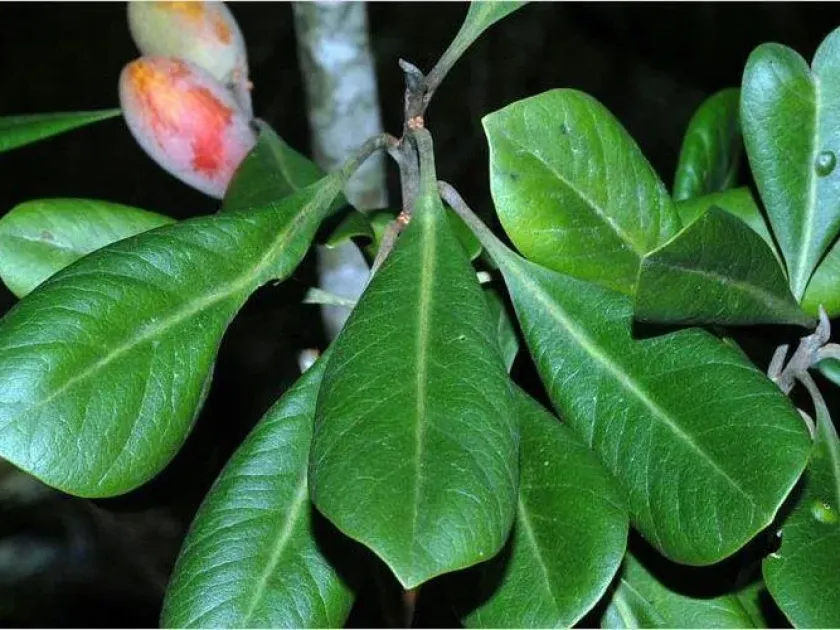
Description
Growing requirements
Planchonella euphlebia belongs to the Sapotaceae family, a group of flowering plants known for their tropical and subtropical distribution. The tree is an evergreen species that thrives in humid forest conditions.
The plant requires a stable tropical climate with no frost exposure. Temperatures should remain within a narrow range to ensure metabolic stability and continuous leaf growth throughout the year.
Soils for this crop must be nutrient-rich and exhibit excellent drainage properties. While the plant loves water, stagnant moisture in the root zone is a primary cause of decline.
Successful cultivation requires meticulous management of the microclimate, often utilizing protective structures or forest-like spacing to mimic native conditions.
Standard agronomic practices include the application of organic mulch and slow-release fertilizers that support the development of deep and healthy root systems.
Yield
The yield of Planchonella euphlebia is characterized by the production of fleshy, edible fruits. Commercial fruit production typically starts after the tree reaches maturity.
Harvesting efficiency is maximized when fruit is picked at the early stages of ripening to prevent loss due to foraging by local fauna.
The wood quality of this species is highly valued for its density, making it a dual-purpose crop in some agroforestry systems.
Regular pruning of lower branches helps to concentrate energy towards fruit development and improves overall canopy airflow.
Sustainable production practices focus on selecting healthy mother trees that demonstrate consistent annual yields and resistance to local stress factors.
Main diseases and pests
Common threats to the crop include various fungal pathogens that exploit high-humidity environments to colonize leaf surfaces.
Insects, particularly sap-sucking pests, are the most frequent challenge for growers, requiring constant monitoring and early intervention.
- Integrated Pest Management (IPM) strategies
- Sanitary pruning to prevent disease spread
- Biological control using native predator species
Root rot is a prevalent issue when environmental conditions are not properly controlled, emphasizing the importance of site selection.
Prevention remains the most effective tool, focusing on biodiversity within the orchard to naturally limit pest population explosions.
Harvesting
The harvesting process involves a manual selection of fruits, ensuring that only those with appropriate color and firmness are gathered for market.
Care must be taken during the harvest to avoid bruising, as the fruit skin is delicate and susceptible to post-harvest decay.
After harvesting, the produce is often kept in cool, shaded areas to extend its shelf life before transportation to the processing facility.
Strategic timing of the harvest is essential, especially when cultivating in areas with distinct seasonal humidity shifts.
Post-harvest management ensures that the crop meets quality standards for both fresh consumption and further industrial processing.