
Planchonella chartacea
Planchonella chartacea
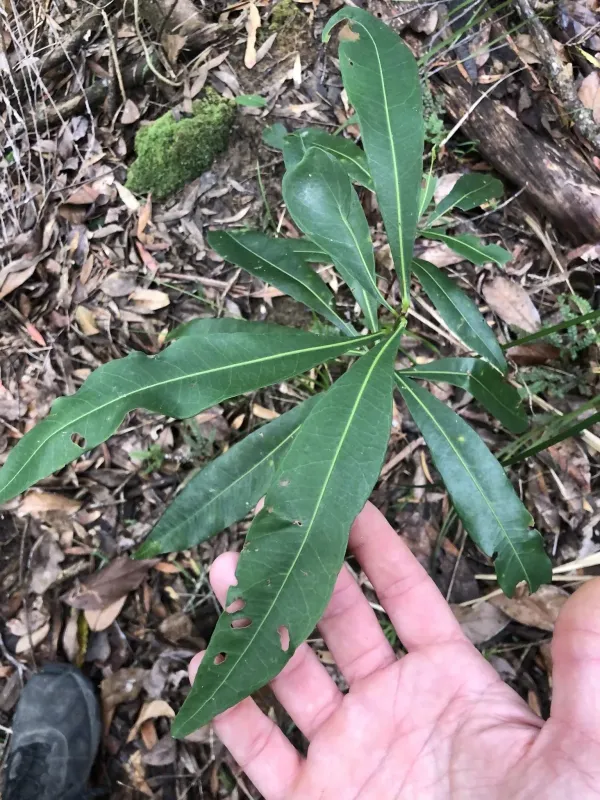
Description
Growing requirements
Planchonella chartacea is an evergreen tree belonging to the Sapotaceae family. Known for its distinct botanical structure, it typically thrives in complex forest ecosystems where canopy density is high.
This species is native to the tropical regions of Australia and various Pacific islands. It has evolved to perform best in humid environments that lack significant seasonal frost or temperature drops.
The crop requires fertile, well-draining soils rich in organic matter to support its robust root system. Soil texture should ideally allow for moderate water retention while preventing waterlogging.
Climatic requirements focus on high relative humidity and constant warmth. In artificial cultivation, maintaining a stable temperature regime is critical for preventing physiological stress.
Economically, the species is recognized for its woody biomass and potential role in ecological restoration projects within its natural range, as it provides shelter for local fauna.
Main diseases and pests
Primary threats to Planchonella chartacea include various fungal pathogens that flourish in stagnant, humid environments. Root rot is a common issue if soil drainage is compromised.
Insects like scale insects and mealybugs are recognized as typical pests. These organisms suck sap from the plant, often leading to reduced vigor and secondary infections in the affected areas.
To manage these risks, agronomic practices emphasize the importance of crown thinning to ensure adequate air circulation and sunlight penetration throughout the foliage.
Vigilance is required regarding the appearance of lesions on leaves or stems, which act as early indicators of environmental stress or pathogen invasion requiring immediate intervention.
Integrated pest management strategies should be implemented to control pest populations while preserving the natural ecosystem balance around the cultivated specimens.