
Planchonella pohlmaniana
Planchonella pohlmaniana
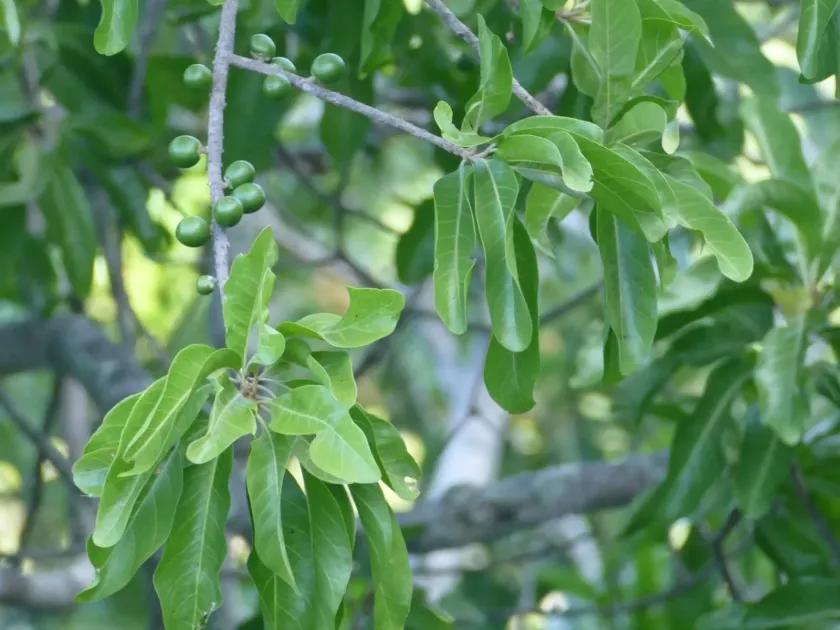
Description
Growing requirements
Planchonella pohlmaniana is a member of the Sapotaceae family, native to the tropical regions of Australia. This woody species is well-known for its adaptation to seasonal dry forests and monsoon-influenced climates.
The plant thrives in well-drained soils and shows a remarkable ability to withstand temporary droughts once established. It is an essential component for reforestation projects in its native range due to its hardiness and ecological resilience.
Agricultural requirements include selecting sites with adequate light exposure, as this species prefers bright locations to maximize photosynthesis and fruit production. Proper spacing is crucial to ensure airflow and reduce the competition for soil nutrients.
Botanically, it features leathery, durable leaves and produces fleshy fruits that are highly sought after by local wildlife. The root system is sturdy, designed to navigate varying soil profiles to maintain the tree's overall stability during severe weather.
In terms of хозяйственное use, the timber of Planchonella pohlmaniana is recognized for its durability and resistance to decay, making it a valuable resource for construction and specialized woodworking applications.
Main diseases and pests
Key threats include fungal leaf pathogens which can thrive in humid conditions if canopy density is too high. Improving ventilation within the plantation is the primary strategy to mitigate these fungal outbreaks.
Insect pests, such as wood-boring beetles and sap-sucking insects, present a risk to the tree's vascular system. Integrated pest management practices are recommended to protect the integrity of the trunk and branches.
Root rot caused by excessive soil moisture is a critical concern, especially in regions with poorly drained clay soils. Ensuring proper drainage prior to planting is vital for the long-term success of the orchard.
Furthermore, climate fluctuations can stress young trees, making them more susceptible to opportunistic diseases. Monitoring the trees during transition seasons is a standard procedure for maintaining orchard health.
Strict quarantine measures should be applied to prevent the introduction of foreign pests that could potentially compromise the health of native Planchonella populations.