
Leptopetalum mexicanum
Leptopetalum mexicanum
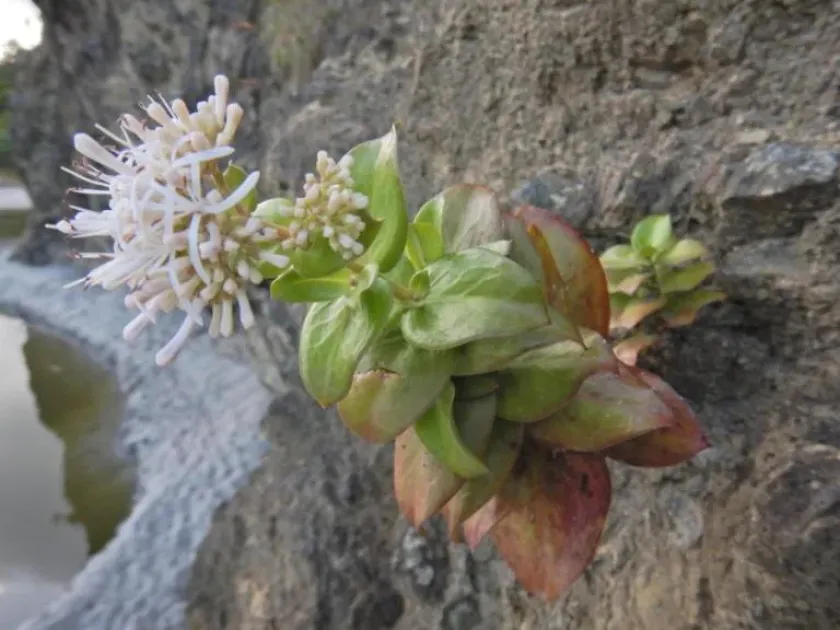
Description
Growing requirements
Leptopetalum mexicanum is a botanical species belonging to the Rubiaceae family. Native to Mexico and Central American regions, this plant thrives in tropical climates characterized by high humidity and consistent warmth throughout the year.
Regarding soil requirements, the crop demands a well-structured, loamy substrate with excellent drainage properties. A soil pH ranging from 6.0 to 6.8 is considered ideal for nutrient uptake and root development.
The plant requires filtered sunlight, especially during the peak hours of the day. Excessive exposure to direct solar radiation can damage the leaf tissues and reduce the overall biomass accumulation in the plants.
Effective agrotechnical practices involve a consistent irrigation schedule. While the plant appreciates moisture, it is imperative to prevent waterlogging, which often leads to rapid decay of the basal stem tissues.
The economic value of this species is largely found in its botanical research potential and specialized ornamental cultivation, requiring precise fertilization programs to maximize its phenotypic expression.
Main diseases and pests
The primary threats to Leptopetalum mexicanum include various fungal pathogens such as Fusarium and Pythium species, which are highly active in poorly aerated or overly damp soil conditions.
Insect pests such as spider mites and mealybugs pose significant challenges during the vegetative growth phase, particularly in greenhouse environments with low natural ventilation.
Management strategies should prioritize sanitary measures, including the sterilization of tools and the use of disease-free propagation material to minimize the risk of pathogen entry.
Regular monitoring for early signs of infestation is crucial, as the small size of the pest populations can often be overlooked until significant plant damage has already occurred.
Implementing a balanced nutrient program helps enhance the plant's natural resistance, reducing the need for aggressive chemical interventions and promoting a more sustainable production cycle.