
Leptopetalum strigulosum
Leptopetalum strigulosum
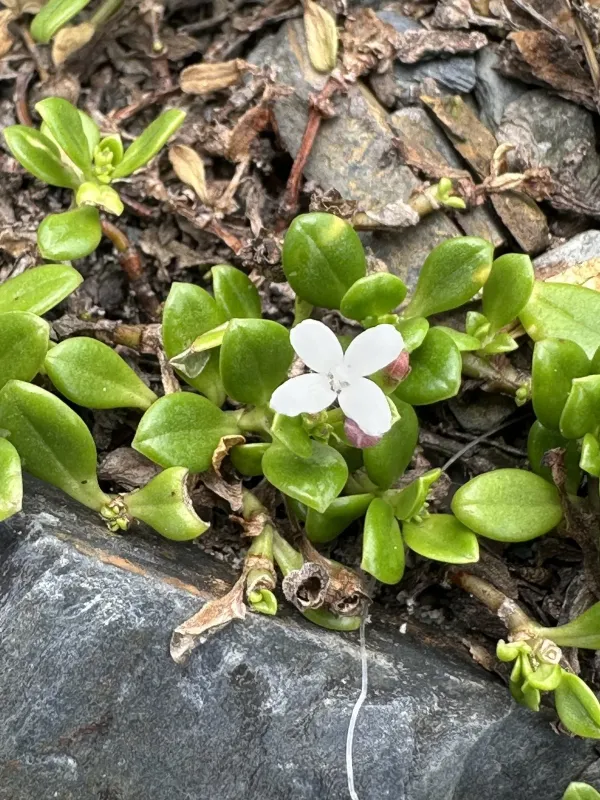
Description
Sowing dates
Sowing Leptopetalum strigulosum seeds requires a well-structured and highly aerated substrate to ensure successful germination and early development.
The optimal planting period occurs in early spring, once soil temperatures have stabilized and the risk of late frosts is effectively eliminated.
Seeds should be sown shallowly, as they are sensitive to depth and require adequate light exposure to stimulate physiological growth processes.
Maintaining consistent moisture levels in the seedbed is critical, as fluctuations can negatively impact the viability and uniformity of the crop stand.
Using high-quality, disinfected seeding trays can significantly reduce the risk of damping-off disease among emerging seedlings during the initial growth phase.
Growing requirements
As a member of the Rubiaceae family, this species thrives in environments that provide consistent warmth and a protected, semi-shaded climate.
Soil requirements involve a nutrient-rich, neutral-to-slightly-acidic medium that possesses excellent drainage capacity to prevent saturation of the root system.
The plant performs best under diffused natural light, as direct and intense solar radiation may lead to leaf scorch and reduced photosynthetic efficiency.
Temperature management is crucial; the plant prefers a stable range, typically between 18°C and 24°C, which encourages steady and vigorous vegetative growth.
Regular fertilization with balanced NPK formulas is recommended throughout the peak growing season to support the development of structural biomass.
Main diseases and pests
Fungal pathogens represent the primary threat to Leptopetalum strigulosum, particularly in conditions where airflow is restricted and humidity is excessive.
Common pests include mites and various species of aphids that feed on plant sap, leading to stunted development and eventual chlorosis of the foliage.
Integrated pest management strategies should be employed to mitigate these risks, focusing on early detection and the use of targeted biological controls.
Root rot remains a prevalent issue associated with poor soil drainage, necessitating careful irrigation planning and constant monitoring of water absorption rates.
Cultural practices such as spacing out individual plants and removing stagnant debris are essential for maintaining a healthy and disease-resistant crop population.