
Leptactina arborescens
Leptactina arborescens
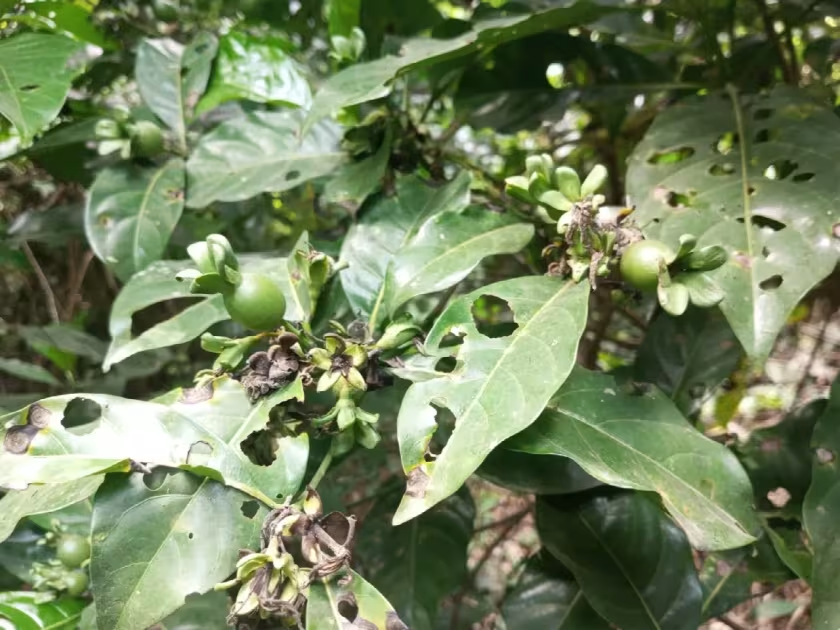
Description
Growing requirements
Leptactina arborescens is a perennial shrub or small tree belonging to the Rubiaceae family. Native to tropical regions of Africa, this plant is valued for its unique botanical structure and aesthetic appeal in tropical garden collections.
The plant thrives in warm, humid climates and is highly intolerant of frost. For optimal growth, it requires consistent temperatures ranging from 22 to 28 degrees Celsius, mimicking its natural tropical environment.
Soil requirements focus on high organic content and excellent drainage. A substrate that holds moisture but does not become waterlogged is essential for the healthy development of its root system.
Light management is crucial, as Leptactina arborescens prefers bright, indirect light. Exposure to intense, direct tropical sunlight often leads to leaf scorch and dehydration of the plant tissue.
Regular irrigation is vital during the growing season. While the plant loves humidity, it requires a well-aerated environment to prevent the accumulation of moisture on the leaves, which could encourage disease.
Main diseases and pests
Pest infestations such as spider mites and mealybugs are the primary threats when grown in greenhouse settings. These pests thrive in indoor conditions, often spreading rapidly if humidity and air circulation are not managed correctly.
Fungal pathogens, particularly root rot, are common results of overwatering or using soil mixtures with poor drainage. Once established, these infections are difficult to eradicate without replacing the plant's growing medium.
Nutrient deficiency can manifest as chlorosis, where the leaves lose their green color due to an inability to absorb necessary minerals. Fertilizing with a balanced nutrient mix is recommended during the peak growing season.
Preventative measures include maintaining clean tools and performing routine inspections of the underside of leaves. Early detection of pests is key to avoiding the use of heavy-duty chemical pesticides.
Environmental stress, such as sudden temperature drops or dry air, makes the plant more susceptible to diseases. Maintaining stable conditions serves as the best defense against common botanical stressors.