
Leptactina platyphylla
Leptactina platyphylla
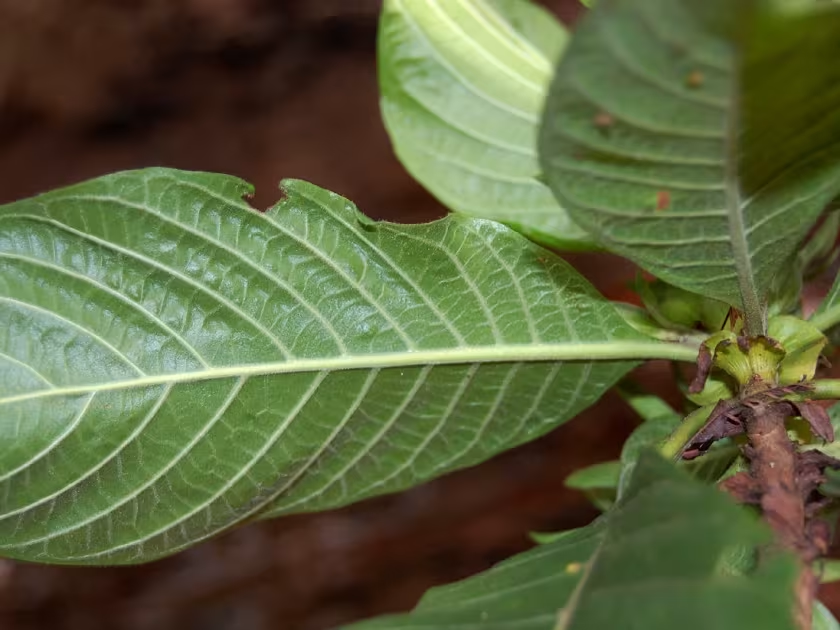
Description
Growing requirements
Leptactina platyphylla is a tropical shrub belonging to the Rubiaceae family, native to the dense forests of Central and Western Africa. It is characterized by its large, leathery leaves and fragrant flowers, which make it a significant species in botanical collections.
The crop demands a tropical climate with consistent temperatures and high relative humidity throughout the year. It does not tolerate frost or cold drafts, making greenhouse or climate-controlled environments necessary in temperate regions.
For optimal growth, the soil must be well-drained and rich in organic matter. A mixture of peat, perlite, and decomposed forest humus is ideal for maintaining the soil structure required by this plant species.
Proper agricultural management involves regular irrigation to keep the substrate moist but not waterlogged. Supplemental lighting may be required in regions with low solar radiation to maintain the photosynthetic activity of the broad leaves.
The plant is primarily utilized in horticultural settings for its ornamental value. Its structural uniqueness and aesthetic appeal make it a preferred choice for high-end landscape design and conservatory displays.
Main diseases and pests
Common pests affecting Leptactina platyphylla include spider mites, which thrive in dry conditions. Ensuring appropriate humidity levels is the most effective biological defense against these infestations.
Root rot is the most significant disease threat, typically caused by poor soil drainage and excessive water retention. Preventive measures include the use of coarse aggregate at the base of containers to ensure drainage.
Fungal infections of the foliage can occur if air circulation is insufficient within the growing space. Pruning to maintain an open canopy structure is recommended to enhance airflow and light penetration.
Integrated pest management (IPM) strategies, including the introduction of natural predators, are highly effective for greenhouse-grown specimens. Chemical intervention should be reserved for severe cases of infestation.
Regular sanitation, such as the removal of senescing leaves and debris from the base of the plant, reduces the availability of habitats for pathogens and pests, thereby ensuring the longevity of the crop.