
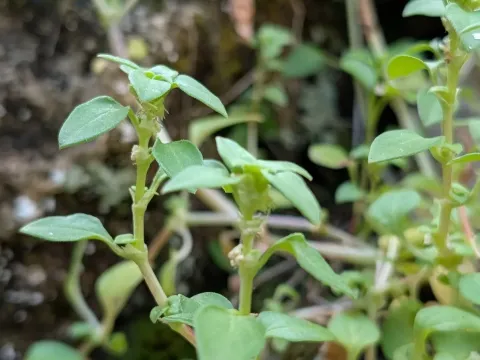
Theligonum
Theligonum
Theligonum (Latin: Theligonum) is a genus of annual or perennial herbaceous plants that modern botanical classification assigns to the Rubiaceae family. Although it was previously classified in a separate family, recent molecular research has confirmed its close genetic ties to the madder family.
What the section contains

Theligonum
The natural distribution area of the plant covers primarily the Mediterranean region, Atlantic islands, and some parts of East Asia. The crop prefers a moderately warm climate and is highly sensitive to severe frost, which significantly restricts its commercial cultivation.
Successful growth of Theligonum requires well-drained, organic-rich loamy soils. The plant exhibits high adaptability to varying light levels; however, it shows the most vigorous development under conditions of sufficient diffused sunlight in a humid subtropical environment.
Botanically, the crop is characterized by opposite or alternate leaf arrangements and small unisexual flowers located in the leaf axils. The stems of the plant can be either prostrate or erect depending on the specific growth conditions and local environment.
The agricultural and economic use of Theligonum remains limited, as it is considered a niche crop. In some regions, it may serve as a potential source of green mass for forage production or as an ingredient in specialized herbal mixtures, although widespread industrial adoption is currently rare.