
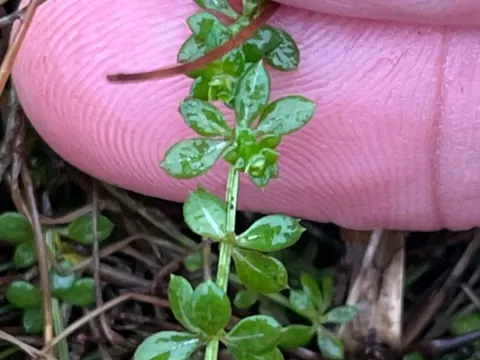
Heath bedstraw
Galium saxatile
Heath bedstraw (Galium saxatile) is a perennial herbaceous plant belonging to the Rubiaceae family. This species typically forms low-growing, dense mats of vegetation, making it highly effective for soil stabilization in its natural habitat.
What the section contains
Heath bedstraw
The plant demonstrates a strong preference for acidic soils, commonly occurring in regions with heathland or moorland. It thrives in well-drained but consistently moist conditions, avoiding areas with high alkalinity or waterlogging.
Botanically, it is characterized by narrow, whorled leaves and delicate white flowers. The plant is adapted to the cool, maritime climate of Europe, showing significant resilience to wind and shifting temperatures.
Regarding climate requirements, Galium saxatile favors regions with moderate summer temperatures and sufficient annual precipitation. It is not suitable for hot, arid climates, where its shallow root system would suffer from moisture stress.
In agricultural practice, cultivation success depends on maintaining soil acidity and avoiding lime-rich amendments. The plant requires minimal fertilization but benefits from periodic thinning to ensure airflow through the dense foliage.
Fungal diseases, particularly powdery mildew, are the primary threat to the health of Heath bedstraw. High humidity combined with lack of air movement creates ideal conditions for these pathogens to thrive.
Insect pests, such as aphids, frequently infest the growing tips. These pests can cause significant stunting if left uncontrolled, therefore early detection through regular field scouting is essential.
Root rot is a major risk factor when soil drainage is inadequate. Ensuring that the substrate remains aerated is the most effective management strategy to prevent lethal soil-borne fungal infections.
Herbivorous pests can occasionally damage the leaves, but typically the plant's growth rate is sufficient to recover from minor grazing. Protecting the crop from invasive weeds is more critical during the establishment phase.
For pest management, it is recommended to prioritize biological controls over broad-spectrum chemicals. This approach ensures that the surrounding soil ecosystem remains healthy and the plant maintains its natural vitality.