
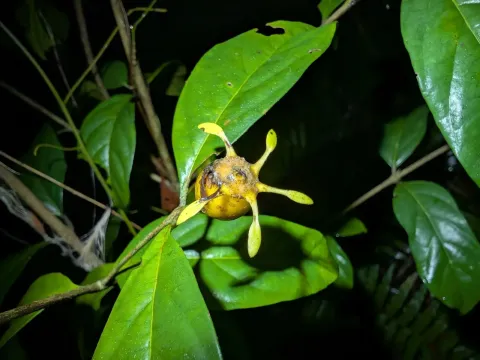
Heinsia
Heinsia
Heinsia (Heinsia crinita) is a perennial tropical shrub that is typically sown at the beginning of the rainy season. The optimal time for establishing plantations coincides with periods when soil moisture is sufficient for effective seed germination.
What the section contains

Heinsia
Seeds of this crop are known for their slow germination rates, which is why agronomists often recommend pre-soaking or stratification techniques to accelerate the process. In intensive farming, it is common practice to use nurseries for seedling preparation before transplanting them to their final location.
Spacing between plants should be maintained at 50 to 80 centimeters to ensure adequate airflow and prevent the development of fungal infections within the foliage. Dense planting negatively affects leaf development, which is the primary objective of cultivating this species.
Propagation is possible not only through seeds but also via cuttings, which allows growers to maintain the most productive and healthy plant varieties. Cuttings should be planted in shaded areas and kept moist until roots are well-established.
The plant demonstrates remarkable regenerative capabilities after harvesting, making it a valuable resource for long-term production on the same site without the need for annual replanting.
The plant belongs to the Rubiaceae family and originates from the tropical forests of West and Central Africa. Heinsia is highly heat-demanding, cannot tolerate frost, and prefers stable temperatures ranging from +22 to +30 degrees Celsius.
The crop requires fertile, well-drained soils rich in organic matter. Loamy or sandy-loamy soils that retain moisture without causing waterlogging in the root zone are considered ideal for this species.
While the plant is shade-tolerant, it requires diffused sunlight to produce high-quality biomass. Direct, intense sunlight can cause leaf burns, which is why it is often integrated into agroforestry systems as an understory crop.
Soil pH should ideally be slightly acidic to neutral. Regular application of compost or mulch helps maintain the necessary nutrient levels and soil moisture content, contributing to consistent plant health.
In periods of water scarcity, the plant slows its growth, making irrigation essential for stable yields. Heinsia responds well to nitrogen fertilizers, which stimulate the rapid development of new, tender leaves.
The economic value of Heinsia lies in its young leaves and shoots, which are used as a popular leafy vegetable. It is highly valued for its nutritional profile, being rich in essential vitamins and minerals.
Yield depends heavily on the frequency of harvesting and proper pruning techniques that stimulate lateral growth. With intensive management, a plantation can provide multiple harvests of marketable greens throughout the season.
Young shoots should be harvested manually before they become tough or fibrous. Timely harvesting is crucial to ensure that the product retains its desirable texture and quality for culinary applications.
In African traditional cooking, Heinsia is prized for its natural gelling properties, which occur during cooking. This makes it a significant component in preparing hearty soups and thick traditional sauces.
The plant maintains high productivity for several years if organic matter is applied regularly and protection against pests is provided, making it a highly profitable option for smallholder farmers.
Common pests affecting Heinsia include various species of aphids and spider mites, which attack the tender tips of new growth. This infestation can lead to leaf deformation and a decrease in marketability.
Fungal diseases, such as powdery mildew, can spread under conditions of high humidity and poor ventilation. Preventive measures include proper spacing and the timely removal of infected branches.
Root-knot nematodes can pose a threat when the plant is grown on the same site for several years. Implementing crop rotation or using nematode-resistant rootstocks is recommended for long-term control.
Rodents may cause damage to the young bark of the shrubs, weakening the plant's overall immune system. Regular monitoring of the plantation is required to identify early signs of physical damage.
The use of synthetic pesticides is restricted due to the direct consumption of the leaves, so preference is given to biological control methods and integrated pest management strategies.
Harvesting of Heinsia is done selectively, allowing for a continuous supply of fresh greens over a long period. This approach facilitates easier logistics and better market access for fresh produce.
The shoots are harvested using sharp scissors or knives, taking care not to damage the rest of the shrub. Proper cutting techniques are vital for promoting rapid regrowth of the plant.
The harvested produce is sensitive to temperature fluctuations and loses quality quickly, so it should be cooled promptly after harvest to preserve its nutritional value and appearance.
Packaging for transportation should involve ventilated containers or bags to minimize moisture buildup, which can lead to rapid rotting during transit.
In household settings, excess harvest can be blanched or dried, allowing Heinsia to be stored and used as a nutritious vegetable supplement during the off-season.