
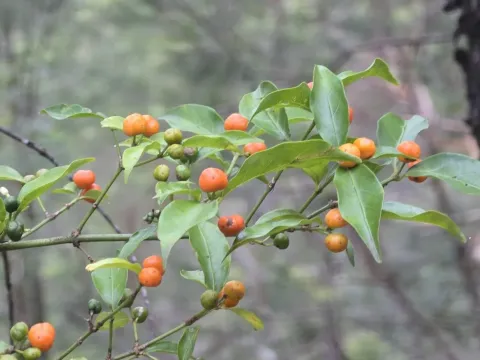
Gynochthodes
Gynochthodes
Gynochthodes is a genus of flowering plants belonging to the family Rubiaceae. These plants are primarily characterized as woody vines or scrambling shrubs that naturally thrive in tropical and subtropical regions across Asia, Australia, and the Pacific islands.
What the section contains


Gynochthodes
Botanically, they exhibit opposite leaves and small flowers, often followed by fleshy fruits. The genus requires a specific environment to reach its full development, favoring warm temperatures between 22°C and 28°C and high humidity throughout the year.
Regarding soil requirements, Gynochthodes performs best in nutrient-rich, organic-heavy, and well-draining substrates. It is essential to ensure that the soil structure remains aerated to prevent root asphyxiation, which is a common issue in poorly managed tropical crop systems.
The agronomic management of this culture involves providing structural support, such as trellises, as the plants possess a climbing growth habit. Without adequate support, the foliage can become overly dense, leading to microclimate issues that decrease plant vigor.
Water management is critical; the plants require consistent moisture but are highly intolerant of waterlogged conditions. Drip irrigation systems are often preferred in controlled environments to maintain optimal soil moisture levels while keeping the leaves dry.
The primary threats to Gynochthodes in intensive cultivation are fungal infections, particularly root rot caused by species like Phytophthora and Pythium. These occur mostly when irrigation protocols are not strictly followed in relation to soil drainage.
Insects like mealybugs and spider mites represent significant challenges for greenhouse-grown plants. They tend to congregate in the leaf axils or on the underside of leaves, causing structural damage and reducing the overall photosynthetic capacity of the plant.
In addition to pests, improper nutrient balance can lead to deficiencies, specifically iron chlorosis, which manifests as yellowing of the interveinal areas of young leaves. Foliar applications of chelated iron can correct this issue quickly.
Viral pathogens may also affect the yield and quality of the vines. Vector control is essential, as many viruses are transmitted by sap-sucking insects that frequent the plantation, necessitating a robust integrated pest management strategy.
Sanitation practices, including the removal of dead or decaying plant matter, are crucial for preventing the buildup of inoculum in the environment. Regular inspections help catch these threats before they reach critical levels for the crop.