
Hexasepalum
Hexasepalum
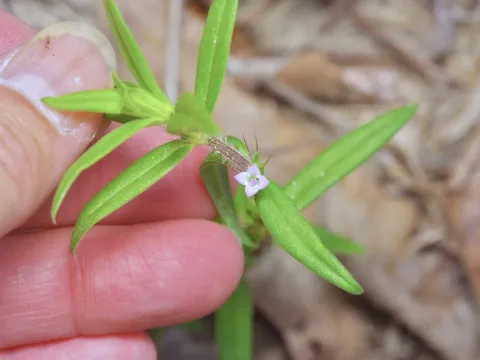
Hexasepalum is a genus of flowering plants belonging to the family Rubiaceae. These perennial plants are native to the tropical and subtropical regions of the Americas, where they inhabit diverse ecological niches ranging from open fields to forest margins.
What the section contains

Hexasepalum
Botanically, the genus is distinguished by its opposite leaf arrangement and specific floral structure, featuring a calyx with six lobes. As members of the Rubiaceae family, they often share morphological similarities with other well-known genera, requiring close examination for identification.
The cultivation of Hexasepalum requires a stable environment with consistent temperatures between 20°C and 30°C. They thrive in well-draining, nutrient-rich soils that possess a slightly acidic to neutral pH, ensuring that root respiration is not inhibited by waterlogging.
In terms of agricultural management, light levels must be carefully regulated to prevent heat stress while maintaining high photosynthetic efficiency. Providing a consistent moisture regime, while avoiding saturated conditions, is crucial for maintaining plant health and vigor.
While Hexasepalum is not currently a mass-market agricultural crop, it remains a subject of botanical interest due to its potential for producing secondary metabolites. Future research may reveal specific industrial applications for these plants within the pharmaceutical or specialty chemical sectors.