
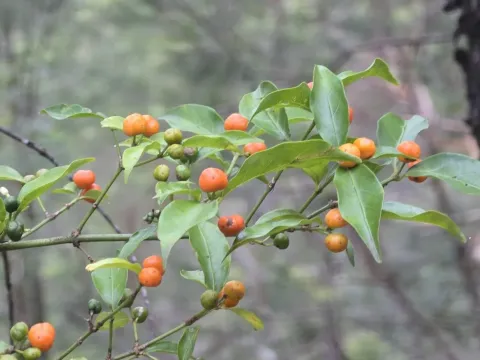
Gynochthodes
Gynochthodes Blume
Gynochthodes is a genus of woody vines and shrubs belonging to the Rubiaceae family. These plants are native to the tropical regions of Asia, Australia, and the Pacific Islands, flourishing in humid, shaded forest environments.
What the section contains

Gynochthodes
Botanically, these plants are identified by their opposite leaves and distinctive compound fruits, which are often grouped together. Their growth habit involves climbing or scrambling, which requires structural support in a managed agricultural setting.
Climate requirements for Gynochthodes are stringent, demanding high ambient temperatures and consistent humidity throughout the year. As a tropical genus, it lacks cold hardiness and must be cultivated in controlled environments outside its native range.
Soil management for this crop focuses on providing a well-draining, nutrient-rich medium. The plants are highly sensitive to waterlogged conditions, which necessitates careful irrigation scheduling and the use of porous growing substrates.
Economic use of the genus is primarily related to the extraction of secondary metabolites, such as anthraquinones, from the roots. These compounds are used historically for dyeing textiles and in traditional medicinal applications due to their bioactive properties.
The main threats to Gynochthodes plantations are fungal root diseases triggered by poor drainage. Preventing water stagnation is the most critical aspect of avoiding root rot and related pathogen outbreaks.
Sap-sucking pests like aphids and scale insects represent the most significant insect threats to the plant's vitality. Regular monitoring and timely application of targeted pest control are necessary to prevent defoliation.
Powdery mildew can become a significant issue in high-density planting scenarios where air circulation is restricted. Pruning practices are essential to maintain canopy ventilation and decrease disease incidence.
Spider mites are a persistent problem in greenhouse environments where the climate is dry and warm. Managing humidity levels is an effective cultural control method against this pest.
Invasive weed species can outcompete young Gynochthodes plants for nutrients and water, requiring systematic weeding programs during the initial establishment phase of the crop.