
Serissa
Serissa
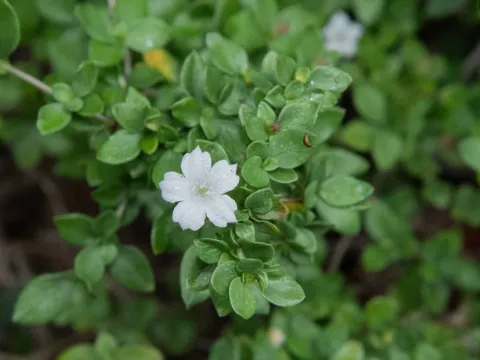
Serissa is a genus of evergreen shrubs belonging to the Rubiaceae family, native to the tropical and subtropical regions of Southeast Asia. It is highly esteemed in horticulture, particularly in the art of bonsai, due to its small, glossy leaves and delicate white or pink flowers.
What the section contains
Serissa
This crop demands a stable environment with temperatures ideally ranging from 18 to 25 degrees Celsius during the growing season. During winter, it requires a dormancy period with cooler temperatures, ideally between 12 and 15 degrees Celsius, to maintain its health and bloom cycle.
Light intensity is critical for the development of Serissa; it thrives best in bright, indirect light. Exposure to intense midday sun should be avoided to prevent leaf scorch, while insufficient lighting can lead to leggy, weak growth and reduced flowering.
The soil requirements for Serissa include high drainage capacity and balanced nutrient content. A well-aerated substrate, typically a mixture of loam, peat, and coarse sand, is essential to prevent moisture accumulation and ensure optimal root respiration.
Watering management is a delicate balance, as the root system is highly sensitive to both waterlogging and drought. The soil should remain consistently moist, and the plant appreciates high ambient humidity, which can be maintained through regular misting or using a humidity tray.
Spider mites are common pests that thrive in the dry conditions often found indoors. They feed on the sap of the leaves, causing stippling and eventual yellowing, which significantly damages the aesthetic value of the plant if not addressed promptly.
Scale insects can be persistent problems for Serissa, attaching themselves to the stems and undersides of leaves. Regular monitoring and the application of horticultural oils or systemic insecticides are necessary to control these infestations before they spread.
Mealybugs represent a significant threat to Serissa, appearing as white, cottony masses in leaf axils. These pests weaken the plant by extracting sap and can facilitate the growth of sooty mold, necessitating careful inspection and chemical treatment.
Root rot is the most common physiological issue caused by poor drainage and excessive watering. This condition leads to the decay of the root system, resulting in wilting and branch dieback that can be fatal if the plant is not repotted in fresh, dry soil.
Environmental stress, such as sudden shifts in temperature or relocation, frequently triggers leaf drop. Maintaining a consistent location and providing stable climatic conditions are the best defenses against both abiotic and biotic stressors in Serissa cultivation.