
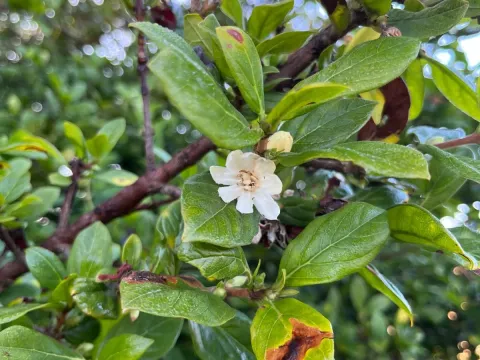
Sericanthe
Sericanthe
Sericanthe is a genus of evergreen shrubs and small trees belonging to the Rubiaceae family. These plants are typically found in the dense, humid understory of tropical forests, which dictates their specific physiological needs regarding moisture and shading.
What the section contains

Sericanthe
The native distribution of the genus is primarily centered in tropical Africa. The plants thrive in environments where soil moisture remains high and consistent, supported by a rich layer of organic detritus that provides essential nutrients throughout the growing season.
Botanically, Sericanthe species are characterized by opposite leaves and small, often fragrant blossoms that develop in axillary clusters. The woody stems exhibit a durable structure typical for the Rubiaceae, adapted to withstand the high humidity levels found in their natural forest habitat.
In cultivation, this plant requires a stable tropical climate with minimal seasonal temperature fluctuations. The soil medium must be highly porous and well-drained, as the root systems are susceptible to damage from waterlogging and anaerobic conditions common in compacted substrates.
The economic value of Sericanthe currently resides in botanical research and its potential role in forest ecosystem restoration. While not a primary agricultural crop, the study of its growth cycles offers insights into the wider potential of tropical forest flora for future sustainable utilization.
The primary threat to the health of Sericanthe is the prevalence of fungal pathogens, particularly those affecting the root system, which are often exacerbated by improper irrigation practices. Maintaining adequate airflow around the base of the plant is critical to preventing infection.
Insect pests, such as spider mites and scale insects, frequently pose a challenge under greenhouse or controlled environment conditions. Implementing integrated pest management strategies, such as physical removal or natural bio-controls, is recommended to keep the plant canopy healthy and robust.