
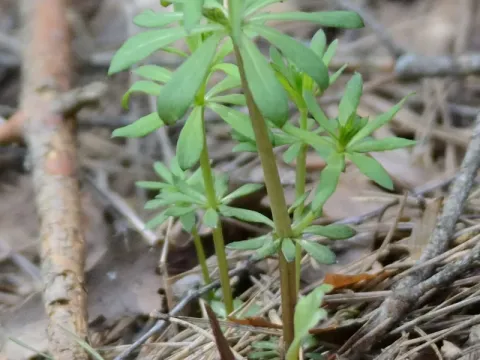
Schultes' bedstraw
Galium intermedium
Schultes' bedstraw (Galium intermedium) is a herbaceous perennial plant belonging to the Rubiaceae family, widely known for its complex taxonomy within the Galium genus.
What the section contains
Schultes' bedstraw
The plant thrives in temperate climates, showing a preference for deciduous forest habitats where the soil is moist and enriched with leaf mold and humus.
In terms of agricultural requirements, this crop demands stable soil moisture levels and protection from excessive heat. It is best suited for planting in shaded or semi-shaded areas that mimic its natural forest floor environment.
Cultivation practices involve maintaining adequate soil aeration through periodic loosening and ensuring the nutrient levels are balanced without promoting excessive weed growth.
Economic utility of this plant is focused on its pharmacological properties, as it has traditionally been studied for its potential use in herbal medicine and its specific secondary metabolites.
The main threats to the health of Schultes' bedstraw plantations include powdery mildew and other fungal diseases that proliferate in stagnant, humid conditions.
Pests such as aphids and leaf-eating beetles can cause considerable damage to the plant, necessitating careful scouting during the peak growing months of spring and early summer.
Proper field hygiene and the removal of infected plant residues are critical strategies for mitigating the impact of pathogens within the crop production cycle.
Water management is vital, as overly saturated soils create an anaerobic environment that fosters the growth of harmful soil-borne pathogens and decay-causing fungi.
Integrated pest management protocols should be implemented to preserve the quality of the harvested biomass, ensuring compliance with standards for botanical raw materials.