
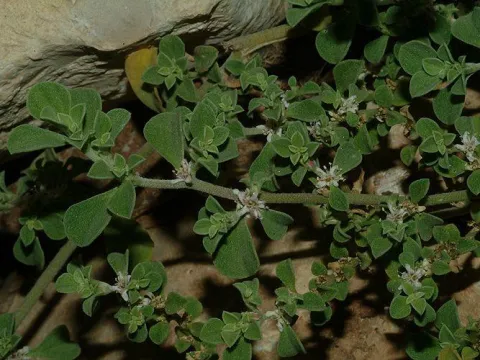
Lebanese bedstraw
Galium libanoticum
Lebanese bedstraw (Galium libanoticum) is a perennial herbaceous plant belonging to the Rubiaceae family. Native to the mountainous regions of the Middle East, it is well-adapted to rocky terrains and specific limestone-based soil structures.
What the section contains
Lebanese bedstraw
The botanical structure of the plant features slender, quadrangular stems and whorled leaves, which are typical for the genus Galium. The plant has a robust root system, allowing it to anchor securely in crevices and poor soils.
Cultivation requires conditions that mimic its natural mountain habitat. High sun exposure is essential for the development of its chemical profile, and the soil must be highly permeable to prevent water stagnation around the root collar.
Climatic preferences include well-defined seasonal changes with cool nights and moderate daytime temperatures. The plant is resistant to low moisture levels, making it a viable candidate for regions with limited rainfall.
Economically, it is valued for its potential in pharmaceutical applications due to the presence of specific compounds in its biomass. It is also utilized in rock garden landscaping to provide natural, minimalist aesthetics.
Root rot is the most significant threat to Lebanese bedstraw, usually triggered by poor drainage or excessive irrigation during the dormant phase. Proper soil composition is the best defense against these pathogens.
Pests such as aphids and spider mites may infest the plant during prolonged dry spells. While rarely lethal, these pests can significantly reduce the quality of the foliage and inhibit the plant's overall vigor.
Fungal leaf spot diseases may occasionally occur in high-humidity areas. Maintaining good spacing between individual plants is critical to ensure adequate air circulation and to minimize the risk of spreading infections.
Weed competition is a major factor during the establishment phase, as the plant grows relatively slowly. Manual weeding is often required to ensure that the bedstraw has sufficient space and light to establish its root system.
Due to the specific use of the plant in botanical medicine, the use of synthetic pesticides is generally discouraged to maintain the purity of the final product, favoring instead biological control methods.