
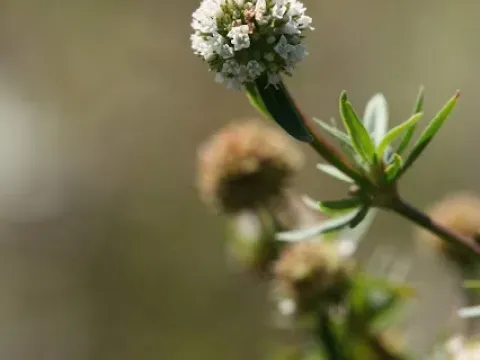
Spermacoce brevifolia
Spermacoce brevifolia
Spermacoce brevifolia is a notable member of the Rubiaceae family, sharing taxonomic characteristics with other ecologically significant tropical plants. Native to South America, this species has evolved to thrive in specific climatic niches within tropical and subtropical ecosystems.
What the section contains
Spermacoce brevifolia
The plant exhibits a shrub-like habit with short, distinct leaves arranged oppositely along the stems. Its botanical structure is adapted for efficient photosynthesis in high-light environments, while the root system provides stability in diverse soil types ranging from sandy loams to alluvial deposits.
Regarding climatic requirements, the plant necessitates a consistent temperature range, avoiding cold stress which can significantly impede its growth cycle. Humidity management is crucial for the optimal development of the vegetative biomass, requiring a balanced approach to irrigation.
Soil management for Spermacoce brevifolia focuses on maintaining good porosity to prevent root rot. Incorporating compost or well-decomposed organic matter significantly improves crop performance, ensuring that the soil maintains a slightly acidic to neutral pH level.
In terms of agricultural application, the species is predominantly utilized within local agro-systems for its resilience and biomass production. Ongoing research aims to categorize its phytochemical properties, potentially expanding its role in sustainable agricultural and medicinal industries.