
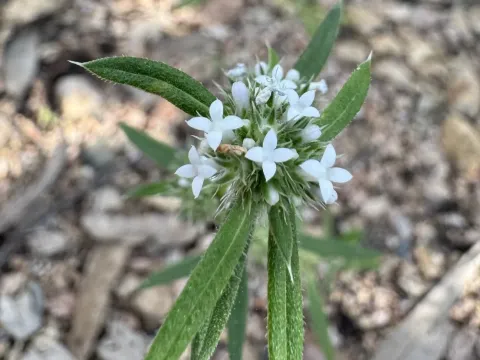
Spermacoce brachystema
Spermacoce brachystema
Spermacoce brachystema belongs to the Rubiaceae family. It is a perennial herbaceous plant that requires a warm climate and specific environmental conditions to establish a healthy root system and vigorous vegetative growth.
What the section contains
Spermacoce brachystema
The ideal sowing window aligns with the start of the rainy season when soil temperatures remain consistently above +22°C. In tropical regions, planting can occur year-round provided that irrigation is carefully managed.
Seeds should be planted at a shallow depth of 1–2 centimeters. Ensuring proper soil-to-seed contact is essential for uniform germination, as seeds can be sensitive to the texture and density of the covering layer.
Pre-treating seeds with growth stimulants can significantly improve germination rates. Planting in rows spaced about 30 centimeters apart is recommended to provide each plant with sufficient nutrients and space to expand.
Germination typically occurs within 10–14 days. During this critical establishment phase, it is vital to keep the plot free from competing weeds to allow the seedlings to develop their initial leaf structure.
The plant demonstrates good adaptation to various soil types, including sandy and loamy soils, provided they offer adequate drainage. It does not tolerate waterlogging, which can cause rapid root decay.
Spermacoce brachystema is highly light-demanding. Full exposure to sunlight is required to optimize photosynthesis and biomass production. Shady conditions often result in stunted growth and thinner stems.
Temperature is a key factor; the plant thrives in ranges between +25°C and +32°C. It is sensitive to frost and extreme cold, which can irreversibly damage the delicate tissues of the plant.
While the plant has moderate water requirements, consistent moisture is necessary during the active growth phase. Regular rainfall or controlled drip irrigation is preferred to maintain steady development.
Soil fertility can be managed through the application of organic matter and nitrogen-based fertilizers. Balanced fertilization during the peak growth season significantly enhances the yield of vegetative material.
The primary use of Spermacoce brachystema is as a source of green biomass, which serves as a supplemental forage crop in many tropical agricultural systems. Its nutritional profile makes it suitable for livestock feed.
Yield productivity is heavily dependent on management practices. With optimal irrigation and sufficient nutrient availability, the plant produces significant biomass that can be harvested multiple times per season.
One of its notable traits is the ability to regenerate quickly after cutting. This makes it a productive option for small-scale farmers looking for a reliable source of green matter throughout the year.
Beyond forage, the plant is subject to ongoing research regarding its biochemical composition. Its secondary metabolites are being investigated for potential applications in pharmaceutical and chemical industries.
Harvesting should be timed to coincide with the flowering phase for maximum biomass quality. Delaying the harvest leads to lignification of the stems, which decreases palatability and overall feed value.
Powdery mildew is a significant disease risk, particularly during periods of high humidity. The appearance of a white powdery fungal coating on leaves can significantly inhibit photosynthetic capacity.
Pests such as aphids and spider mites can attack young shoots and leaves. By feeding on plant sap, they cause leaf deformation and can transmit viral diseases that weaken the plant stand.
Root rot, driven by excessive soil moisture and poor drainage, represents the most severe threat to plant health. Once established, these fungal infections are difficult to control.
Weed infestation is a major competitor for resources, especially during the early stages of crop establishment. Regular manual or mechanical weeding is essential for successful production.
Implementing a crop rotation strategy is the best defense against soil-borne pathogens. Avoiding continuous cropping of Rubiaceae species in the same location prevents the buildup of specific pests.