
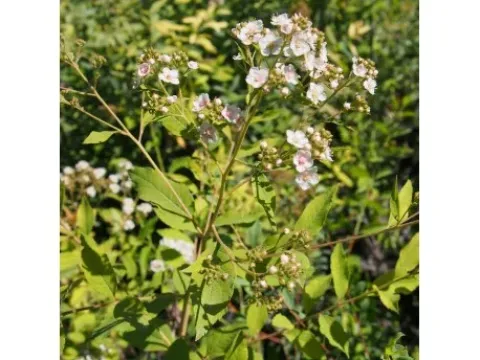
Spiraea fontenaysii
Spiraea fontenaysii
Spiraea fontenaysii is a notable hybrid shrub belonging to the Rosaceae family. Known for its ornamental value, it is widely utilized in landscape design due to its elegant growth habit and the profusion of flowers that appear during the active growing season.
What the section contains
Spiraea fontenaysii
The plant thrives in fertile, well-draining loamy soils with a pH ranging from neutral to slightly acidic. Providing a site with sufficient exposure to direct sunlight is essential, as this maximizes both the vigor of the plant and the intensity of its floral display.
Regarding climatic requirements, the shrub is moderately hardy, although it benefits from protection in regions prone to severe frost. Mulching the root zone helps to maintain soil moisture levels and protects the root system from extreme temperature fluctuations.
A consistent irrigation schedule is vital, especially for young specimens during their establishment phase. Once mature, the shrub shows a degree of drought tolerance, although supplemental watering during prolonged dry spells significantly improves overall health.
Pruning is a fundamental aspect of its maintenance. It is generally performed to remove dead wood, shape the canopy, and stimulate new growth. Proper pruning techniques ensure that the plant remains dense and continues to bloom effectively in subsequent years.
While generally robust, Spiraea fontenaysii may occasionally succumb to powdery mildew, particularly in environments with poor air circulation and high relative humidity. Ensuring adequate spacing between plants is a primary preventative measure against fungal outbreaks.
Aphids are the most common insect pests encountered on this shrub. They tend to cluster on tender new shoots and buds, potentially hindering growth. Early intervention with insecticidal soaps or systemic treatments is recommended if an infestation is observed.
Spider mites represent another potential threat, often appearing during hot and arid weather conditions. Their presence is indicated by fine webbing and stippling on the leaves, which can lead to premature leaf drop if left untreated.
Leaf rollers can occasionally infest the foliage, causing leaves to curl and become unsightly. Manual removal of infected clusters can be effective for smaller shrubs, while larger infestations may require targeted pesticide applications.
Integrated pest management, including regular monitoring and the maintenance of plant vigor, remains the best strategy for keeping the shrub healthy and resistant to these common horticultural challenges.