
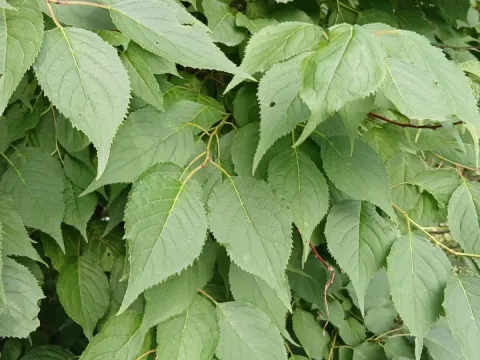
Manchurian apricot
Prunus mandshurica
The Manchurian apricot is typically propagated by seeds. To achieve the best germination results, seeds should be sown in the autumn, allowing them to undergo natural stratification in the soil over the winter months.
What the section contains
Manchurian apricot
If spring sowing is preferred, the seeds must undergo cold stratification. This involves storing them at temperatures between 0 and 5 degrees Celsius for at least 3 to 4 months before planting in the ground.
Seeds are planted at a depth of 5 to 7 centimeters. It is advisable to cover the soil with a thin layer of mulch to maintain moisture levels and protect the seeds from extreme fluctuations in soil temperature.
Saplings should be transplanted to their permanent location in early spring before the buds begin to swell. The soil should be well-drained and enriched with organic matter to support early root growth.
When planting, it is crucial to provide ample spacing, usually 5-6 meters between trees. This distance allows the tree to develop its naturally wide, sprawling crown without crowding.
The Manchurian apricot, belonging to the Rosaceae family, is renowned for its exceptional cold hardiness. It originates from East Asia and is adapted to harsh winters and short growing seasons.
This species is highly light-demanding. For optimal growth and fruit production, trees must be planted in full sun, away from the shadow of buildings or larger trees that could hinder their development.
The Manchurian apricot is not overly demanding regarding soil composition but thrives best in loose, sandy loam or loamy soils. Good drainage is essential, as the species is intolerant of waterlogged sites.
One of the primary requirements is protection from persistent dampness, especially during the transition from winter to spring. Soil aeration and avoidance of heavy clay soils are key factors for longevity.
Maintenance includes regular weeding in the root zone and moderate watering during prolonged dry spells. Pruning should be kept to a minimum, focusing mainly on removing diseased or dead wood.
Trees grown from seed typically begin to bear fruit around their fifth to seventh year. While the trees can produce a high volume of fruit, individual harvests can fluctuate significantly based on seasonal weather.
The fruit of the Manchurian apricot is smaller than that of commercial varieties, usually ranging from yellow to orange. They are characterized by a fibrous texture and a very distinct, intense aroma.
Due to the fruit's texture and slightly acidic taste, it is rarely eaten raw. Instead, it is highly valued in culinary settings for making jams, jellies, preserves, and traditional liqueurs.
The most vital agricultural role of the Manchurian apricot is its use as a rootstock. Its extreme winter hardiness makes it an ideal base for grafting more sensitive stone fruit varieties in northern regions.
Harvesting usually occurs in mid-to-late summer. Because the fruits are soft when ripe and do not ship well, they should be processed or utilized shortly after being picked.
The primary health concerns for the Manchurian apricot include fungal infections such as shot-hole disease, which creates small necrotic spots on the leaves during periods of high humidity.
Monilia, or brown rot, can be a major issue for the flowers and young fruitlets. Proper orchard sanitation, such as removing mummified fruits from previous seasons, is essential for prevention.
Pests such as aphids and the oriental fruit moth can cause significant damage to new growth and developing crops. Integrated pest management strategies are recommended to keep populations in check.
The most dangerous physiological threat is "bark rot" or winter kill, often caused by snow accumulation around the trunk during late winter thaws. Keeping the base of the trunk clear is a vital preventative measure.
Vertical wilt caused by soil-borne pathogens can occasionally affect these trees, necessitating the avoidance of planting in sites where other stone fruits or nightshades have recently been cultivated.