
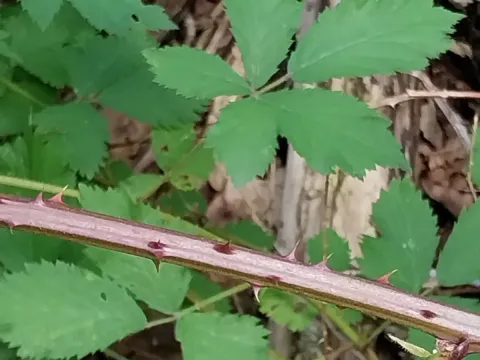
Rubus gratus
Rubus gratus
Rubus gratus is a species of blackberry belonging to the Rosaceae family. It is a robust perennial shrub adapted to various temperate climates across the globe.
What the section contains
Rubus gratus
The plant thrives in sites with full sun to partial shade, requiring protection from harsh, drying winds to ensure healthy foliage and optimal fruit set.
Soil conditions are critical for this species; it prefers well-drained, fertile soils with a slightly acidic to neutral pH, avoiding heavy clay where roots may suffer.
Proper water management is essential for this blackberry, as it needs consistent moisture but is highly sensitive to waterlogging, which promotes root diseases.
Cultivation often involves trellis systems to manage the vigorous growth habit, which helps in maximizing light exposure and simplifying the harvesting process.
The primary economic value of Rubus gratus lies in its delicious berries, which are highly valued for their nutritional profile and versatility in food production.
Yield levels are typically influenced by the age of the canes and the effectiveness of the pruning schedule implemented during the early spring or late winter.
With appropriate soil enrichment and routine fertilization, the plant can produce significant volumes of fruit throughout its active vegetative season.
The berries are excellent for fresh market sales, as well as for commercial processing into jams, jellies, and beverages, making them a profitable crop for local growers.
Strategic pruning encourages the development of more lateral fruit-bearing branches, directly increasing the total yield per square meter of the plantation.
Rubus gratus is susceptible to several common horticultural pathogens, including powdery mildew and cane blight, especially in areas with poor airflow.
Common pests like aphids, mites, and various beetles can impact plant vigor, necessitating integrated pest management strategies to protect the crop yield.
- Strategic spacing of rows to reduce humidity.
- Prompt removal of dead or diseased wood.
- Application of environmentally friendly pest control methods.
Maintaining a clean plantation by removing old leaves and debris after the harvest significantly reduces the overwintering sites for various fungal spores.
Early identification of pest infestations is key, as managing them at the initial stage prevents wide-scale outbreaks within the blackberry plot.
Harvesting should be done methodically when the berries achieve their full dark coloration and reach a soft, yet firm, texture suitable for picking.
The harvest season is typically extended, requiring multiple visits to the field to collect berries as they ripen at different times on the same plant.
Gentle handling is mandatory to prevent bruising, as damaged berries quickly deteriorate and lose their nutritional and aesthetic appeal for consumers.
Immediately following collection, fruit should be moved to cool storage to extend shelf life and maintain freshness until transport to the distribution point.
Once the season concludes, pruning the canes that produced fruit is a standard practice to allow the plant to focus energy on new vegetative growth for the next year.