
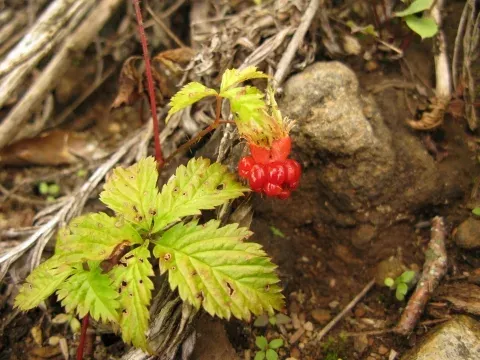
Rubus ikenoensis
Rubus ikenoensis
Rubus ikenoensis is a perennial shrub belonging to the Rosaceae family, native to the temperate forest regions of East Asia, primarily Japan. This plant is valued for its hardiness and ability to thrive in diverse microclimates within its natural habitat.
What the section contains
Rubus ikenoensis
The botanical structure of the plant features deciduous, thorny stems and compound leaves typical of the Rubus genus. It acts as a colonizer in forest clearings, using its extensive root system to anchor itself firmly into the soil and expand its territory over time.
The ideal growing environment for Rubus ikenoensis includes well-draining, nutrient-rich soils that retain moisture without becoming waterlogged. It thrives in slightly acidic to neutral pH ranges and prefers locations with partial shade, avoiding harsh direct midday sun.
Agrotechnical practices emphasize the importance of organic matter integration during the planting phase. A layer of mulch is essential for this species, as it helps maintain stable soil temperature and provides a slow-release nutrient source for the roots.
In terms of care, annual thinning and pruning are necessary to maintain healthy growth. By removing old, dead wood and controlling the density of the stems, gardeners can significantly improve the vitality of the plant and facilitate easier access for potential harvest.
Common threats to Rubus ikenoensis include fungal pathogens such as leaf rust and anthracnose, which often strike when humidity levels are consistently high. These infections can lead to premature leaf drop and a significant decrease in the plant's overall vigor.
Pests, particularly aphids and cane borers, pose a persistent threat to the succulent new shoots of the shrub. Aphids tend to colonize the undersides of leaves, causing curling and stress, while borers can compromise the internal structure of the canes.
Effective management involves regular field scouting and the application of horticultural oils or organic pesticides when infestation thresholds are exceeded. Keeping the area surrounding the shrubs clean of debris is also crucial to minimize insect hibernation sites.
Cultural control, such as promoting proper airflow through strategic pruning, serves as a primary defensive measure against fungal diseases. Ensuring the plant is not overcrowded allows foliage to dry out quickly after rain, reducing the risk of fungal proliferation.
Overall, maintaining the plant's health through balanced fertilization and proper irrigation routines helps Rubus ikenoensis better withstand natural pressures. Monitoring for early signs of distress is the most efficient way to maintain a thriving berry patch.