
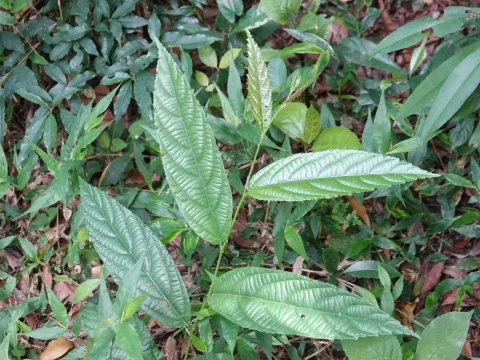
Rubus hamiltonii
Rubus hamiltonii
Rubus hamiltonii is a distinctive perennial shrub belonging to the Rosaceae family. Like other members of the Rubus genus, it features vigorous vegetative growth, often characterized by thorny stems and complex root structures that allow the plant to thrive in diverse environments.
What the section contains
Rubus hamiltonii
Originating from the Himalayan regions, this species is naturally adapted to high-altitude forests and mountainous slopes. Its distribution indicates a preference for cool, moist climates where the plant can benefit from filtered sunlight and high humidity levels during the primary growing season.
When cultivating this species, site selection is paramount. It performs best in well-draining, nutrient-rich soils that are slightly acidic to neutral. Ensuring optimal soil structure is essential, as the roots are sensitive to waterlogging, which can quickly lead to decline and disease.
In terms of agricultural management, regular pruning is necessary to maintain the plant's health and productivity. By removing old, dead, or diseased wood, growers can promote the development of new, high-yielding canes and improve airflow throughout the bush, reducing the incidence of mildew.
Adequate water supply is crucial, especially during the flowering and fruit-setting stages. Providing organic mulch around the base of the plant helps retain soil moisture, suppresses weed growth, and contributes to the gradual enrichment of the soil profile over time.
The primary threats to Rubus hamiltonii include various fungal infections, such as anthracnose and leaf rust, which are triggered by stagnant air and excessive moisture. Establishing a clean garden environment and providing sufficient space between plants are effective preventative strategies.
Pest pressure often comes from sap-sucking insects like aphids and mites. Integrated pest management, which emphasizes the use of biological controls and the encouragement of beneficial predator insects, is the recommended approach for maintaining healthy and productive Rubus plantations.