
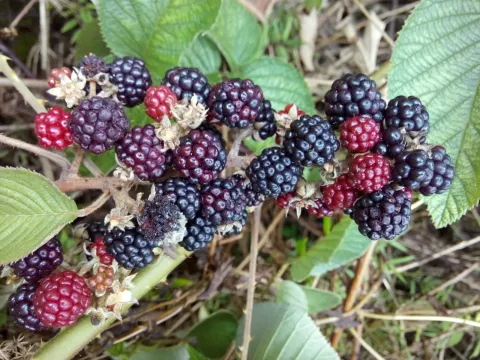
Rubus guyanensis
Rubus guyanensis
Rubus guyanensis is a perennial shrub belonging to the Rosaceae family. Known for its distinct botanical traits, this species is closely related to blackberries and shares their typical climbing or arching growth habit and prickly stems.
What the section contains
Rubus guyanensis
The plant originates from the tropical regions of South America, specifically Guyana and surrounding territories. It thrives in humid, warm environments where precipitation is consistent throughout the year, supporting robust vegetative growth.
For successful cultivation, the plant requires fertile, well-drained soils. Ensuring adequate drainage is essential to prevent root rot, as the species is sensitive to waterlogged conditions that can inhibit its physiological development.
Regarding climatic needs, Rubus guyanensis prefers stable warm temperatures. It lacks significant frost tolerance, meaning that in cultivation, it must be protected from cold winds and extreme temperature drops to maintain plant health.
Maintenance involves routine pruning to remove old or damaged canes, which helps in managing plant density and disease pressure. Mulching is recommended to maintain soil moisture levels and suppress weeds around the base of the shrub.
The economic value of this plant lies in its edible fruits, which are consumed locally. While not widely commercialized like other Rubus species, the potential for yield is significant under optimized environmental conditions.
Proper plant spacing and fertilization are key factors in maximizing yield. By managing the number of fruitful canes, growers can improve the consistency of the harvest and the overall quality of the berries produced.
Harvesting should be done manually when the fruits have reached full maturity. Because of the delicate nature of the berries, they must be handled with care to ensure they remain intact for fresh consumption or local processing.