
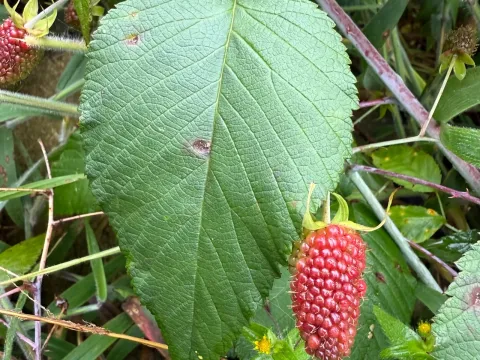
Rubus glaucus
Rubus glaucus
Rubus glaucus, commonly referred to as the Andean blackberry or mora de Castilla, is a vigorous perennial shrub belonging to the Rosaceae family. It is particularly valued in high-altitude tropical regions for its high-quality fruit production.
What the section contains
Rubus glaucus
Originating from the Andean region, this species thrives in cool, high-altitude climates. It requires consistent temperatures to sustain its growth, typically performing best between 1,500 and 3,000 meters above sea level.
The plant demands well-drained, fertile soil rich in organic matter. Water management is essential; while the crop requires constant humidity, it cannot withstand waterlogging, which often leads to root rot and other physiological disorders.
Climatic requirements include protection from extreme heat and severe frost. In many productive regions, the plant is grown under managed conditions to ensure that light and temperature levels stay within the optimal range for year-round development.
Standard agrotechnical practices involve the use of trellising systems to manage the long, trailing canes of the plant. Regular pruning is a fundamental practice that balances the vegetative growth with the reproductive output of the bush.
The economic importance of Rubus glaucus lies in its intense flavor and aroma, making it a premium product for both local and export markets. It is widely used in the food industry for juices, jams, and dairy products.
High yields are achieved through precision nutrient management and frequent irrigation schedules. Because the plant produces fruit continuously in suitable climates, it provides a steady stream of income for agricultural enterprises.
Disease management is critical for this species, as it is susceptible to anthracnose and various fungal infections caused by high atmospheric humidity. Maintaining proper airflow through the canopy is a primary preventive measure.
Insect pests, such as mites and aphids, represent a constant challenge for farmers. Integrated Pest Management (IPM) strategies, including biological control agents, are highly recommended to keep populations under control without harming fruit safety.
Harvesting Rubus glaucus is a delicate process performed by hand to avoid bruising the sensitive drupelets. The frequency of picking is usually high, given the plant's continuous flowering and fruiting cycle.
Post-harvest handling requires immediate cooling to prevent the degradation of the fruits' internal quality. Maintaining a cool chain from the field to the consumer is the key factor in successfully marketing this valuable berry crop.