
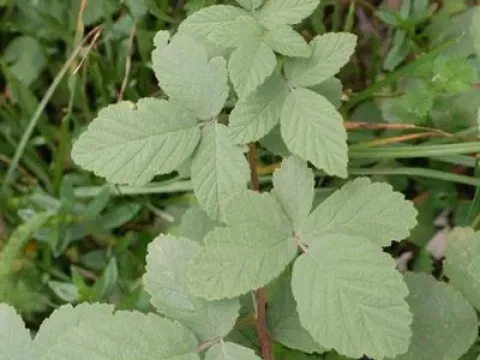
Rubus incanescens
Rubus incanescens
Rubus incanescens is a distinctive species within the Rosaceae family, commonly recognized for its unique foliage characteristics. As a semi-shrub, it thrives in temperate climates and prefers well-drained, slightly acidic to neutral soils that are rich in organic matter.
What the section contains
Rubus incanescens
The plant requires significant sun exposure to ensure optimal fruit production and vegetative growth. While it is adaptable to various conditions, it performs best in sheltered areas that protect the canes from strong winds, which can cause mechanical damage to the structure.
Water management is crucial for the cultivation of Rubus incanescens. It prefers consistent soil moisture, especially during the fruit development stage, but it is highly sensitive to waterlogging. Implementing a drip irrigation system is highly recommended to prevent root decay.
In colder regions, winter protection is essential for the survival of the canes. Growers typically cover the plants or bend the canes close to the ground, shielding them with mulch or agro-textile materials to prevent frostbite during the winter months.
Proper trellising is a fundamental aspect of its agronomy. Supporting the canes on wires improves airflow through the plant, which is critical for reducing humidity levels around the foliage and stems, thereby preventing the onset of various fungal infections.
The yield of Rubus incanescens is closely linked to the standard of agricultural care provided. With effective pruning techniques—specifically, the removal of spent, two-year-old canes—the plant can channel its energy into new, productive shoots.
The fruit of this species is highly valued for its nutrient content, being rich in antioxidants and vitamins. While not always grown for commercial mass production, it remains a popular choice for artisanal gardens and small-scale farms focused on high-quality berries.
Productivity typically peaks around the third or fourth year after planting. By implementing a systematic fertilization program, emphasizing potassium and phosphorus during the blooming period, growers can ensure consistent fruit size and overall plant health.
Spacing between the plants is a critical factor influencing yield. Overcrowding can lead to resource competition, reducing both the quality and the quantity of the berry crop, whereas proper spacing ensures each plant receives sufficient nutrients and light.
To maximize yields, it is necessary to manage the number of canes per square meter. Selective thinning of weak or underdeveloped shoots allows the plant to focus its resources on developing large, flavorful fruits that meet consumer standards.
Common threats to Rubus incanescens include fungal diseases such as gray mold (Botrytis cinerea) and various leaf spots. These pathogens are most prevalent in humid conditions with poor ventilation, making pruning and sanitation essential management practices.
Pests, particularly aphids, mites, and cane borers, can impact plant vigor. These insects feed on the sap or bore into the canes, causing stunted growth and increasing the plant's susceptibility to secondary infections by fungal or bacterial agents.
Integrated Pest Management (IPM) is the best approach for managing these threats. This includes monitoring the population levels of harmful insects and utilizing biological controls or targeted, eco-friendly treatments when population thresholds are exceeded.
Weed control is a non-negotiable part of plant protection. Weeds serve as alternative hosts for many pests and pathogens that affect blackberry species. Keeping the base of the plants clear of vegetation ensures that there is no hidden reservoir of infection.
Regular inspections are required throughout the growing season to detect early signs of damage. Early intervention is the most effective way to prevent localized issues from spreading throughout the entire berry plantation and causing widespread damage.
Harvesting Rubus incanescens must be carried out manually due to the delicate nature of the fruit. The berries reach maturity when they attain their final color and can be easily detached from the receptacle without applying excessive force.
Post-harvest handling is critical for maintaining quality. The fruits are highly perishable and should be gathered in shallow containers to prevent bruising, which is the leading cause of spoilage and quality degradation during transit and storage.
The optimal time for harvesting is during the early morning hours. Harvesting while the temperature is cool helps the fruit maintain its turgidity and shelf life, whereas fruit harvested in the midday heat is prone to rapid moisture loss.
If the berries are intended for short-term storage or local market sales, immediate cooling is necessary to slow down respiration rates. Maintaining a cool chain from the field to the point of sale significantly improves the overall shelf-life of the harvested crop.
After the final harvest, the plantation requires preparation for the dormant season. This includes cutting back any damaged canes and ensuring the plant is in a healthy state before winter. Proper end-of-season management leads to better performance in the following year.