
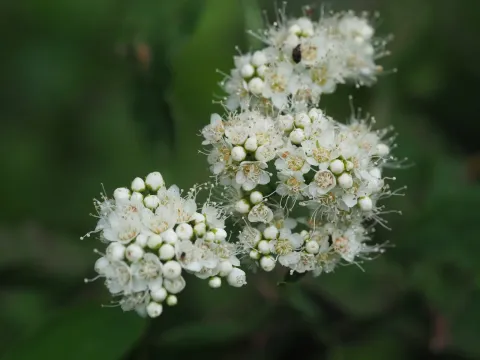
Virginia spiraea
Spiraea virginiana
Virginia spiraea (Spiraea virginiana) is a rare deciduous shrub belonging to the Rosaceae family. This perennial plant is native to the Appalachian Mountains in the United States, typically inhabiting riparian zones.
What the section contains
Virginia spiraea
The culture is highly specialized in its environmental requirements. It thrives in humid conditions and is often associated with riverbanks where periodic scouring by floodwaters helps maintain an open habitat necessary for its survival.
The plant prefers well-drained but consistently moist soil. Adequate sunlight is essential for optimal vigor, as extreme shading often leads to weak stem development and a significant reduction in flowering capacity.
Cultivation practices involve maintaining slightly acidic to neutral soil pH levels. Mulching the root zone is a critical agrotechnical measure to retain soil moisture and stabilize the root environment during extreme temperature fluctuations.
Given its status as a threatened species in its natural habitat, its cultivation is largely focused on conservation and specialized landscape design, particularly in areas that mimic its native wetland edges.
The primary pathological threats include fungal infections such as powdery mildew, which are exacerbated by high humidity levels and lack of air circulation within the shrub canopy.
Insects like aphids are common pests that target the tender terminal growth of the branches, potentially stunting plant development if left untreated.
Spider mites pose a significant risk during periods of drought, attacking the foliage and causing chlorosis, which can lead to premature leaf drop if not managed properly.
Integrated pest management strategies, including sanitation through pruning and the application of systemic fungicides, are necessary to ensure the long-term health of the specimens.
Competition from non-native invasive plant species remains a major threat to the survival of the species in wild populations, requiring constant monitoring in controlled nursery settings.