
Murbeck's lady's-mantle
Alchemilla murbeckiana
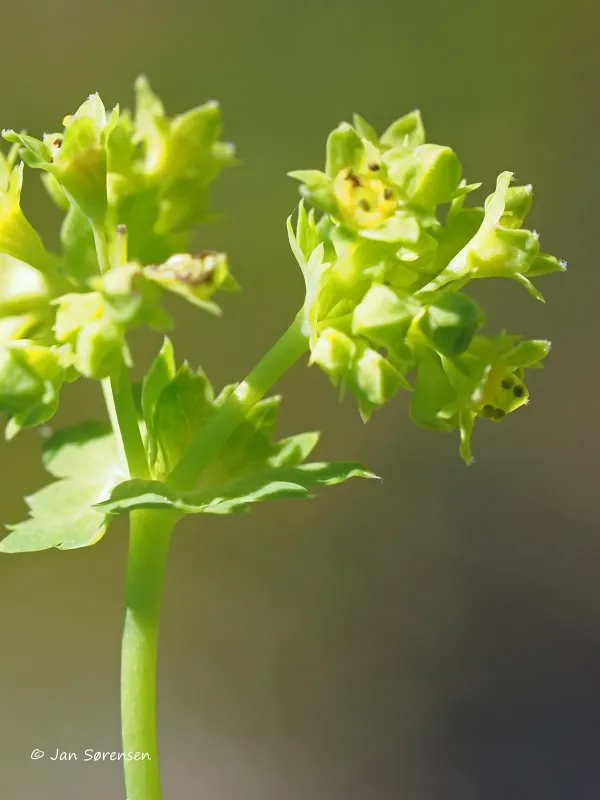
Description
Growing requirements
Murbeck's lady's-mantle (Alchemilla murbeckiana) is a herbaceous perennial plant belonging to the Rosaceae family. It is naturally adapted to cool and moist mountain environments across Northern Europe and similar regions.
The plant thrives in climates characterized by moderate temperatures and sufficient atmospheric moisture. It exhibits exceptional frost resistance, enabling it to endure harsh winter conditions typical of high-latitude or high-altitude ecosystems.
Optimal soil conditions include fertile, well-drained loam that retains moisture without becoming waterlogged. A neutral to slightly acidic pH range is considered ideal for nutrient uptake and steady vegetative development throughout the growing season.
This species prefers locations with plenty of natural light, although it can tolerate light shade during the heat of the day. Proper spacing is essential in agricultural plots to ensure adequate airflow and prevent the development of stagnant humidity layers.
Botanically, the plant is distinguished by its radical leaves and small greenish-yellow inflorescences. It has been historically valued for its secondary metabolites, which serve medicinal purposes in various traditional and pharmaceutical applications.
Main diseases and pests
Fungal diseases constitute the primary threat to Alchemilla murbeckiana populations, with powdery mildew being the most frequent concern. Outbreaks are often triggered by excessive humidity levels in the foliage layer combined with poor ventilation.
Root rots remain a critical challenge in soils lacking sufficient drainage. If the substrate remains overly saturated, the root system undergoes physiological stress, leading to significant plant mortality and total yield loss.
Insect pests, including various species of aphids and leaf-eating beetles, often target tender foliage. Integrated pest management strategies, emphasizing biological controls, are strongly recommended to maintain the quality of the raw herbal material.
Slug infestations can cause substantial damage during damp seasons, necessitating the use of perimeter barriers or manual removal techniques. Maintaining a clean field environment without debris significantly reduces the habitat available for these pests.
Regular surveillance of the fields is vital for maintaining high health standards. Early detection of any localized signs of pathogens allows for targeted interventions, thereby protecting the overall integrity of the agricultural crop.