
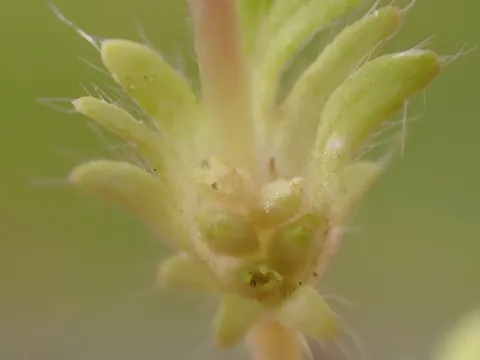
Aphanes australis
Aphanes australis
Aphanes australis is an ephemeral annual plant whose life cycle is primarily driven by seasonal precipitation patterns. In temperate agricultural regions, seeds typically germinate in autumn, allowing the plants to establish a basal rosette before the onset of winter.
What the section contains
Aphanes australis
The seeds possess significant dormancy mechanisms, creating a long-term persistent seed bank within the soil profile. This strategy ensures that the population can survive unfavorable seasons and germinate whenever moisture and temperature conditions align.
Spring germination may occur in regions with mild climates, but autumn remains the primary period for seedling emergence. The plant completes its rapid life cycle by setting seed before the onset of summer drought or the arrival of harvest season.
Understanding these timing patterns is crucial for agricultural planning. If soil disturbance occurs during the peak germination phase, it can stimulate the emergence of a new cohort of weeds, complicating crop establishment.
Farmers can mitigate the impact of this weed by timing cultivation operations to eliminate early cohorts, thereby preventing the depletion of soil nutrients and moisture intended for the primary crop.
This species, belonging to the Rosaceae family, thrives in well-drained, sandy, or light loam soils that allow for rapid root development. It is particularly well-adapted to habitats with low fertility where competition from more vigorous vegetation is minimal.
Light availability is a critical factor for the growth of Aphanes australis. It is an obligate heliophyte, meaning it requires full exposure to sunlight and will be suppressed if shaded by a dense crop canopy or competing high-biomass species.
The plant is highly resilient to cold temperatures, being able to survive light frost as a young rosette. However, it requires a moderate temperature range during the flowering stage to ensure successful pollination and seed maturation.
Soil pH preference is generally towards slightly acidic to neutral ranges. It is rarely found in waterlogged or heavily compacted soils, which indicates that good field drainage is a natural deterrent to its colonization.
Sustainable agricultural practices, such as maintaining high crop density and appropriate fertilization, naturally limit the competitive capacity of this weed by reducing the amount of light and resources available for its development.
The primary threat posed by Aphanes australis is its role as a resource competitor in the early stages of crop development. By consuming nitrogen and water early, it can stunt the growth of young grain seedlings.
As a member of the Rosaceae family, it can act as a reservoir for pathogens, including various fungal rusts and mildews, which may pose a risk to more valuable horticultural crops that share common susceptibility.
Certain insect pests find refuge in the foliage of this weed, utilizing it as a bridge between wild areas and cultivated fields. This can increase the likelihood of pest outbreaks in the surrounding crops during the growing season.
Managing the weed is often hindered by its small size and tendency to blend into the field, leading to underestimation of the infestation level. By the time it is visually obvious, the plant may have already produced viable seeds.
Integrated weed management programs should emphasize pre-emergent herbicide applications where necessary, combined with mechanical weeding techniques that target the plant before it transitions into its reproductive phase.