
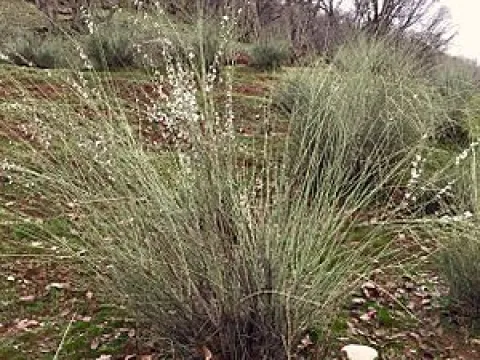
Arabian plum
Prunus arabica
Arabian plum (Prunus arabica), often classified within the almond group, is a deciduous shrub belonging to the Rosaceae family. This plant is characterized by a low-growing, dense, and thorny structure, typically reaching a height of 1 to 2 meters, perfectly adapted to the harsh mountainous terrain.
What the section contains
Arabian plum
The native distribution of this species spans the arid regions of Western and Central Asia. It is naturally found in rocky slopes, gravelly plains, and high-altitude areas where climatic conditions are defined by extreme seasonal temperature fluctuations and very low annual precipitation.
The plant demonstrates remarkable drought resistance, as its root system is specialized for searching water in deep, stony soil layers. In cultivation, it is imperative to provide excellent drainage, as the plant cannot tolerate waterlogged conditions which quickly lead to root decay.
Solar exposure is critical for the development of Arabian plum. It requires full, direct sunlight throughout the day to ensure optimal photosynthesis and flower development. Shady or semi-shaded locations are unsuitable and will result in stunted growth and a significant decrease in productivity.
Agronomic practices for this species focus on low maintenance. It thrives in poor, rocky soils and does not require intensive fertilization. Regular pruning during the dormant season is recommended to maintain the desired shape and remove any deadwood to ensure plant health.
In its natural habitat, Prunus arabica is remarkably resistant to common pests and diseases that affect commercial stone fruit varieties. However, if planted in regions with high humidity, it becomes susceptible to fungal pathogens such as powdery mildew.
Leaf-eating insects are the most common pests, particularly during the early growing season when new foliage is tender. While rarely causing widespread damage, their presence can weaken the plant, making it necessary to monitor the foliage closely for signs of infestation.
Root health is highly dependent on soil aeration. Over-fertilization, especially with nitrogen, promotes excessive succulent growth, which attracts sap-sucking insects like aphids. Avoiding synthetic fertilizers is often the best strategy to keep the plant in a resilient state.
Sanitation is a vital cultural practice. Removing withered or diseased branches helps in maintaining proper air circulation within the canopy, which effectively minimizes the risk of mold and other moisture-related issues during the spring months.
Physical protection of the base and trunk against small rodents is advisable in certain areas, particularly during the winter when food sources are scarce in the surrounding environment, as these animals may damage the bark of young bushes.