
Aphanes
Aphanes
Aphanes is a genus of small, annual herbs belonging to the Rosaceae family. Within agricultural settings, these plants are widely recognized as persistent weeds that can emerge in cultivated fields, pastures, and disturbed land areas.
What the section contains

Aphanes
The plant thrives in well-drained, sandy, or loamy soils with moderate moisture levels. Aphanes exhibits significant adaptability to various climatic conditions, making it a successful colonizer across temperate regions globally where the environment provides enough light for germination.
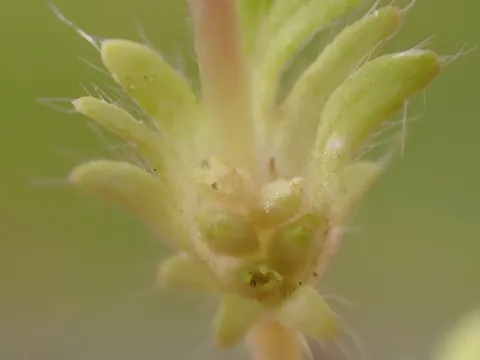
Botanically, Aphanes is characterized by its diminutive size, deeply lobed leaves, and inconspicuous greenish flowers clustered within leafy bracts. Its life cycle is typically rapid, allowing it to complete seed production quickly and contribute to the persistent soil seed bank.
Effective management in professional agriculture involves rigorous crop rotation and timely soil cultivation. By disrupting the growth cycle through mechanical weeding before flowering, farmers can significantly reduce the pressure exerted by this weed species.
While Aphanes does not have significant economic utility in crop production, it remains a subject of botanical study due to its niche role in supporting local invertebrate biodiversity. Its presence is often an indicator of soil surface conditions rather than a direct threat to high-yielding crops unless left unmanaged.
The primary challenges associated with Aphanes relate to its ability to compete for nitrogen and water with young crop seedlings. In densely populated fields, the cumulative effect of competition can lead to measurable losses in crop biomass.
The species is susceptible to various fungal pathogens that cause leaf spot symptoms. These pathogens, if allowed to flourish, can transition to other economically important members of the Rosaceae family, increasing the risk of disease transmission in adjacent crop areas.
Pest management regarding Aphanes is typically secondary to crop-specific protocols. However, because it acts as a reservoir for certain minor pests, sanitation of field borders is recommended to maintain overall field hygiene and reduce insect pressure.
Chemical control is the most frequent intervention when mechanical methods fail to contain the spread. Selective herbicides must be applied carefully during the early vegetative stages to ensure the survival of the target crop while eliminating the competitive weed.
Long-term suppression of Aphanes is achieved through integrated management strategies. By focusing on maintaining optimal crop canopy cover and improving soil health, farmers can naturally outcompete the weed and minimize the need for heavy chemical applications.