
Anjou rose
Rosa andegavensis
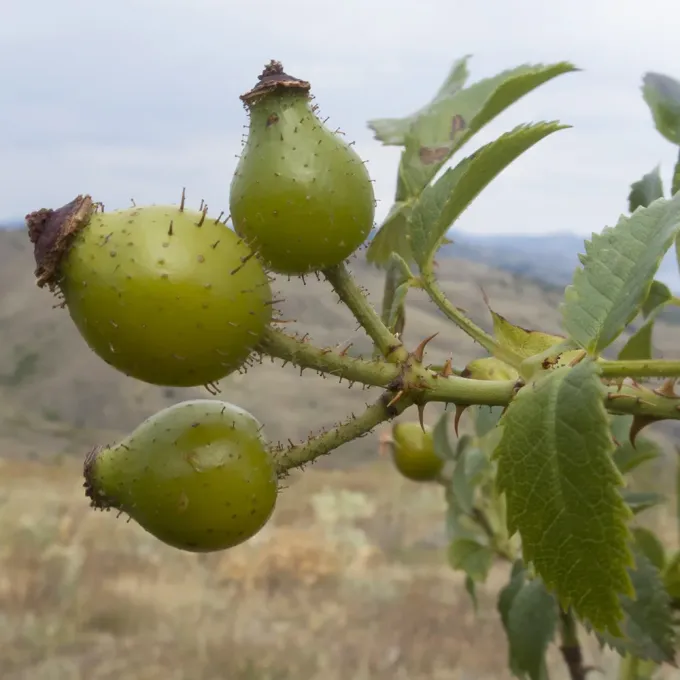
Description
Growing requirements
The Anjou rose (Rosa andegavensis) is a perennial shrub species within the Rosaceae family. Native to Europe, this wild rose variant is recognized for its hardiness and adaptability to varying temperate climate conditions, often found in hedgerows and forest edges.
The plant requires full sun to partial shade for optimal performance. It is characterized by high tolerance to winter temperatures and is capable of thriving in varied soil types, provided they are well-drained and not prone to waterlogging.
Soil requirements focus on neutrality or slight acidity. In agricultural practices, it is essential to ensure that the rooting zone remains aerobic, as Rosa andegavensis does not tolerate compact or swampy grounds which lead to root system decay.
Agrotechnical maintenance involves annual pruning to stimulate healthy growth and maintain the structural integrity of the bush. Fertilizer application should be moderate, focusing on balancing nitrogen for foliage development and potassium for winter hardiness.
Beyond its ornamental appeal, the species is historically significant for its use as rootstock in rose breeding and for its role in biodiversity as a food source for local bird populations through its hips.
Main diseases and pests
The Anjou rose is susceptible to common rose ailments such as powdery mildew and black spot, particularly in humid and stagnant air conditions. Regular airflow management through strategic pruning is the most effective preventative measure.
Pest threats include aphids, spider mites, and leaf-rolling caterpillars, which can weaken the shrub during the early vegetative phase. Integrated Pest Management (IPM) strategies are recommended to maintain plant health without excessive chemical intervention.
Monitoring the undersides of leaves during the spring flush is crucial for detecting early infestations of sucking insects. Timely intervention with horticultural oils or biological soaps can prevent the need for more aggressive treatment.
Proper sanitation, specifically the removal of leaf litter in late autumn, is vital to prevent the overwintering of fungal spores. This simple practice significantly reduces the disease pressure for the following growth cycle.
Weakened plants are more prone to wood-boring pests, so keeping the shrub vigorous through proper nutrition and irrigation during extreme heat is a key component of a robust disease management plan.