
Rhamnus heterophylla
Rhamnus heterophylla
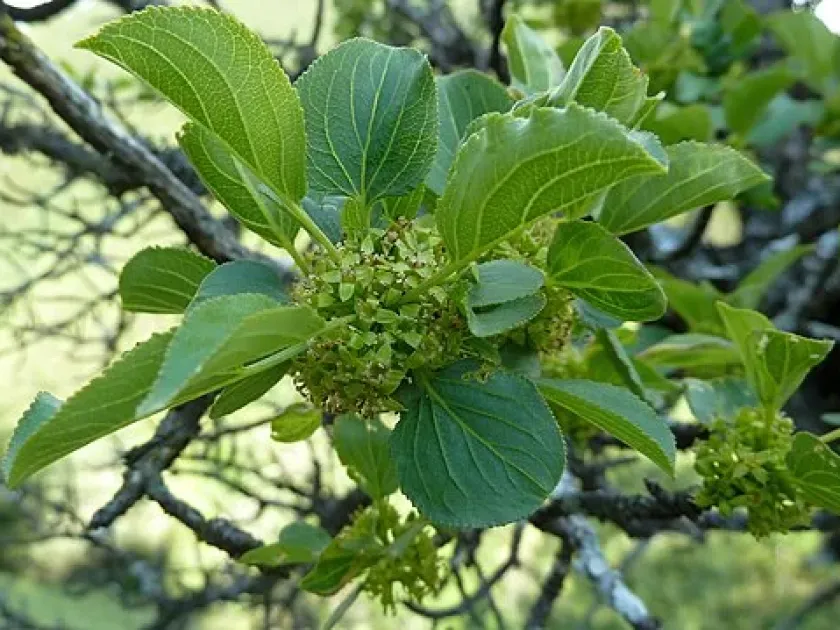
Description
Sowing dates
Rhamnus heterophylla is a species within the Rhamnaceae family. This perennial shrub is recognized for its adaptive capabilities and is typically propagated through seeds or cuttings in agricultural settings.
Seed propagation requires stratification, as the seeds often exhibit dormancy that must be broken by cold exposure. Planting is most successful when conducted in the autumn, allowing the natural winter cycle to trigger spring germination.
Vegetative propagation via softwood or hardwood cuttings is a common practice for maintaining genetic consistency. Cuttings should be placed in a well-draining rooting medium and kept in a high-humidity environment until stable root systems develop.
When establishing a plantation, spacing is critical for long-term productivity. Depending on the intended use—such as biomass production or herbal harvesting—a grid pattern with 2-meter intervals is generally recommended to ensure adequate resource competition.
Soil preparation should involve deep tillage and the incorporation of organic matter to provide a rich foundation for early development. Proper planting depth is essential, ensuring the root collar remains level with the soil surface.
Growing requirements
This species thrives in well-drained, fertile loamy or sandy soil types. While it demonstrates significant plasticity regarding pH levels, a neutral to slightly acidic environment promotes the most vigorous vegetative growth.
Climatically, Rhamnus heterophylla is adapted to temperate conditions, exhibiting strong winter hardiness. It requires sufficient sunlight to ensure healthy leaf development and the accumulation of secondary metabolites, which are often the focus of harvest.
Moisture management is key during the establishment phase. Although the mature plant possesses moderate drought tolerance, regular irrigation during dry spells will improve yield significantly and enhance the overall health of the shrub.
Agrotechnical maintenance involves consistent weed management within the rows to prevent nutrient depletion. Mulching is highly recommended to regulate soil temperature and retain moisture in the root zone.
Pruning is essential for both structural integrity and yield optimization. By removing dead wood and thinning the inner canopy, growers facilitate better light penetration and airflow, which minimizes the microclimate favorable for pathogens.
Main diseases and pests
Like many shrubs in the Rhamnaceae family, Rhamnus heterophylla can be susceptible to fungal infections, particularly under conditions of poor ventilation or high atmospheric humidity.
Powdery mildew and leaf spot diseases represent the primary pathological threats. Management includes the use of approved fungicides and strict adherence to density guidelines to maintain proper canopy ventilation.
Insect pests such as aphids and leaf-eating beetles can damage the tender growth during the spring flush. Monitoring programs should be implemented to track pest populations and apply targeted treatments when thresholds are exceeded.
Root health is vital; therefore, preventing waterlogging is the primary defense against soil-borne pathogens. A healthy, well-fertilized plant naturally possesses a better defense mechanism against typical biotic stressors.
Sanitation practices, such as removing fallen leaves and debris at the end of the season, significantly reduce the wintering sites for both fungi and pests. Maintaining high agricultural standards is the best preventative strategy.