
Thalictrum sekimotoanum
Thalictrum sekimotoanum
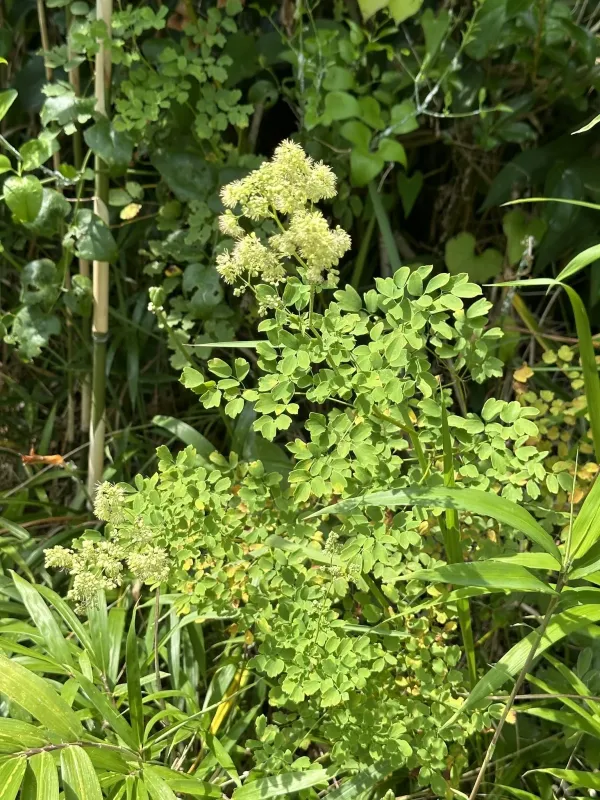
Description
Sowing dates
Thalictrum sekimotoanum is typically propagated through seed dispersal or division of mature root stocks, allowing for flexible management within a garden setting.
Seeds are best sown in late autumn to ensure they undergo natural stratification, which is essential for breaking dormancy and achieving uniform germination in spring.
For spring sowing, seeds require artificial stratification at temperatures between 2 and 5 degrees Celsius for approximately six weeks to successfully initiate development.
The seeds are small and should only be covered with a very light layer of soil, no deeper than 1 cm, to facilitate the germination process under controlled conditions.
Maintaining a consistently moist growth medium during the seedling stage is critical to prevent desiccation and to support the establishment of a robust root system.
Growing requirements
As a member of the Ranunculaceae family, Thalictrum sekimotoanum is a hardy herbaceous perennial characterized by its delicate foliage and unique structural elegance.
This species thrives in partially shaded environments, as direct sunlight, especially in the afternoon, can cause leaf scorch and reduce the plant's overall aesthetic value.
Soil requirements involve a rich, moisture-retentive, yet well-drained substrate with a neutral to slightly acidic pH to promote optimal metabolic activity.
Consistent irrigation is required throughout the growing season to ensure the plants do not suffer from water stress, which can lead to premature wilting and stunted growth.
Mulching the root area helps to maintain cool soil temperatures and improve organic matter content, which effectively mimics the plant's natural woodland habitat.
Main diseases and pests
Thalictrum sekimotoanum generally shows strong disease resistance, but it remains susceptible to powdery mildew when air circulation is poor or humidity is excessively high.
Root rot is the most significant threat to plant health, typically occurring in waterlogged soils where oxygen availability to the root system is severely restricted.
Pests such as aphids and leaf-eating beetles can occasionally infest the foliage, potentially causing chlorosis or physical damage to the plant's decorative appearance.
Integrated pest management strategies, including the use of targeted horticultural soaps or oils, are recommended to maintain plant health without disrupting the soil balance.
- Sanitary pruning to remove infected or dead foliage.
- Monitoring soil drainage to prevent fungal pathogen proliferation.