
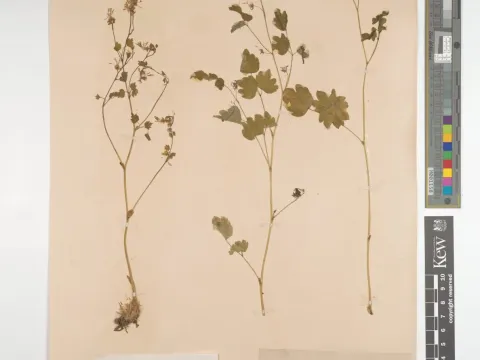
Meadow-rue
Thalictrum secundum
Thalictrum secundum, commonly known as meadow-rue, is a perennial herbaceous plant belonging to the Ranunculaceae family. It is recognized for its unique, fern-like foliage and slender, elegant inflorescences that appear during the peak growing season.
What the section contains
Meadow-rue
The crop thrives in temperate climates and is best suited for sites with consistent moisture and fertile, well-draining soil. It prefers a neutral to slightly acidic pH level and benefits significantly from the addition of organic matter to the soil structure.
In terms of light requirements, this species favors partial shade conditions. Exposure to intense, direct afternoon sun should be avoided to prevent foliar scorch and to maintain the vibrant aesthetic appeal of the plant's delicate leaves.
Agricultural management includes regular weeding to reduce competition for nutrients and water, especially in the early stages of plant development. Mulching can be used to help retain soil moisture and stabilize root temperatures throughout the summer.
Propagation is primarily achieved through division of the root mass, which is best performed in the spring or autumn. Once established, the plants demonstrate strong resilience and require minimal maintenance provided they receive adequate water during dry spells.
Thalictrum species are susceptible to common fungal pathogens, with powdery mildew being the most prevalent issue, particularly in environments with poor air circulation and high humidity.
Pests such as aphids and leaf miners may pose a threat by damaging the foliage, which can weaken the plant and reduce its vigor over the long term if left untreated.
Effective management strategies include ensuring proper spacing between plants to improve airflow and monitoring the leaf undersides regularly for the first signs of insect infestation.
Using preventive horticultural oils or insecticidal soaps can be effective against early pest outbreaks without significantly impacting the surrounding ecosystem or the plant's chemical profile.
Sanitation practices, such as removing and destroying infected plant debris after the growing season, are essential to minimize the overwintering of pathogens and reduce disease pressure for the following year.