
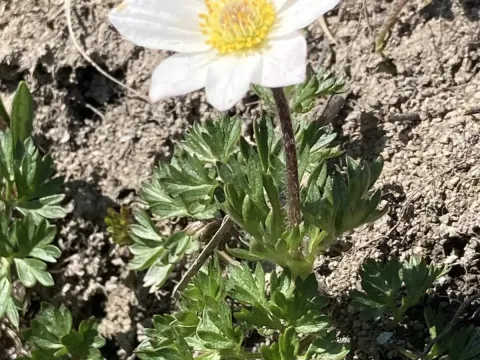
Monte Baldo anemone
Anemone baldensis
Anemone baldensis is an alpine species that requires specific conditions for successful seed germination and initial establishment.
What the section contains
Monte Baldo anemone
The preferred method of propagation involves sowing seeds in late autumn, allowing for natural stratification throughout the winter months.
For those performing spring sowing, seeds must undergo artificial stratification in a refrigerator at temperatures between 2 and 4 degrees Celsius.
Using a well-draining, gritty seed-starting mix is essential to prevent moisture-related issues during the critical germination phase.
Seeds should be covered only slightly with substrate, as light exposure can be beneficial for the germination process of this particular species.
Belonging to the Ranunculaceae family, this plant is native to the high-altitude mountainous regions of the European Alps.
The plant thrives in rocky, well-draining soil conditions and requires a position that mimics its natural scree slope habitat.
It prefers cool environmental temperatures and is highly sensitive to the intense heat and humidity often found in lowland garden settings.
Consistent light exposure is necessary for healthy growth, though some protection from direct midday sun is beneficial in warmer climates.
Maintaining a neutral to slightly alkaline soil pH is generally recommended for the long-term health and vigor of these alpine plants.
The primary threat to Anemone baldensis is root rot, which typically occurs when soil drainage is inadequate or moisture persists during winter dormancy.
Powdery mildew and various fungal leaf spot diseases can become problematic if the plant is grown in areas with poor air circulation.
Garden pests such as slugs and snails are highly attracted to the soft foliage, necessitating careful monitoring throughout the growing season.
Root-feeding nematodes can significantly impact the health of the plant, often leading to a gradual decline and eventual death of the specimen.
Proper garden sanitation and the application of appropriate mulching techniques can significantly reduce the risk of infestation and infection.