
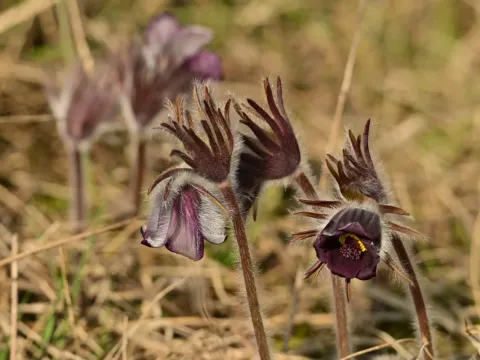
Meadow pasqueflower
Pulsatilla pratensis
Meadow pasqueflower seeds exhibit rapid loss of viability, therefore immediate sowing after harvesting in mid-summer or late autumn is recommended.
What the section contains
Meadow pasqueflower
To improve germination rates, a period of cold stratification for 6–8 weeks in a moist, cool environment is essential before the spring growing season.
Seeds should be sown shallowly into a light, well-draining substrate; covering them too deeply will prevent successful emergence of the seedlings.
Maintaining a stable temperature around 20 degrees Celsius is crucial during the initial germination phase in nursery containers.
Seedlings develop a taproot system early on, making them intolerant to frequent disturbances; transplanting should be handled with extreme care.
Pulsatilla pratensis, a member of the Ranunculaceae family, thrives in open, sunny locations with sandy or gravelly soil structures.
Adequate soil aeration is a top priority; the plant strictly requires well-drained conditions to prevent root rot and crown moisture stress.
The ideal soil reaction is neutral or slightly alkaline, requiring chemical adjustment if the substrate is naturally acidic.
The plant demonstrates significant drought tolerance once established, making it suitable for low-maintenance agricultural or landscaping projects.
Weed management is critical in the early stages of growth as the plant has a slow initial development rate and can be easily outcompeted.
Fungal pathogens such as gray mold and various root rots are the most common threats to the health of meadow pasqueflower in cultivation.
Excessive humidity, both in the soil and the ambient air, is the primary trigger for the rapid spread of these detrimental infections.
Insect pests, including root-damaging larvae, can pose a risk to the plant's overall vigor during the spring growing phase.
Proactive plant protection strategies involve regular inspection, optimal moisture control, and the selective use of systemic fungicides.
Avoiding overcrowding and ensuring proper distance between plants are effective measures to improve airflow and reduce infection risks.
The medicinal harvest consists of the aerial parts of the plant, which are collected at the peak of the flowering period for maximum alkaloid potency.
Harvesting should occur during dry, sunny weather to ensure the lowest possible moisture content in the raw plant material before processing.
Stems must be cut carefully above the base to preserve the structural integrity of the perennial root system for subsequent seasons.
Immediate drying in shaded, ventilated areas is necessary to prevent fermentation and the degradation of active chemical components.
Final storage requires cool, dry conditions away from direct sunlight to maintain the potency of the dried herb for up to two years.