
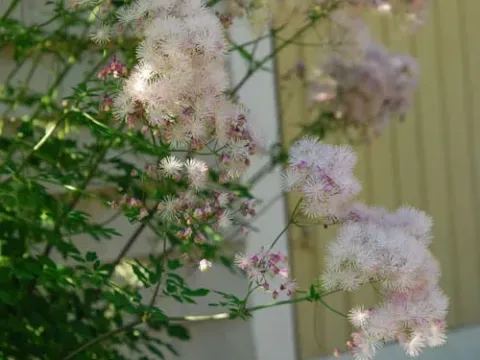
Meadow-rue
Thalictrum hybrids
Sowing seeds of Thalictrum hybrids is best accomplished in the late autumn, allowing the seeds to undergo a natural period of cold stratification in the soil. This process significantly improves germination rates during the following spring.
What the section contains
Meadow-rue
If sowing in the spring, seeds require artificial stratification in a refrigerator for at least six to eight weeks. They should be surface-sown or covered with a very thin layer of fine soil, as light is beneficial for the germination process of these tiny seeds.
Transplanting seedlings into the garden should be delayed until the threat of frost has passed. Planting density should be carefully considered, typically allowing for 40 to 60 centimeters of space between individual plants to ensure adequate air circulation.
Vegetative propagation via division of the root clumps is another effective method. This is best performed in early spring as new growth begins to emerge, which allows the plant to re-establish itself before the heat of the summer season.
Choosing a permanent location is crucial for long-term health, as Thalictrum species are known to dislike frequent disturbance. Once established, these plants can thrive in the same spot for many years with minimal intervention.
Thalictrum hybrids, belonging to the Ranunculaceae family, are cherished for their delicate, fern-like foliage and airy, cloud-like inflorescences. They are excellent perennial choices for bringing texture and height to garden borders.
The ideal environment for this crop is a site that offers partial shade, particularly protection from intense afternoon sun. While they can tolerate sunnier exposures, this requires a consistent and ample supply of soil moisture to prevent heat stress.
Soil requirements focus on high organic content and excellent drainage. These plants prefer fertile, humus-rich soil that holds moisture but does not remain waterlogged, which can be detrimental to their sensitive root systems.
Regular maintenance includes consistent watering during dry spells and the application of a balanced fertilizer in the early spring. Mulching is highly recommended to keep the root zone cool and to retain essential moisture levels during the peak of summer.
- Provide consistent moisture during the growing season.
- Use organic mulch to suppress weeds and regulate soil temperature.
- Ensure adequate spacing to prevent humidity buildup around the foliage.
The harvest of Thalictrum for floral use involves cutting stems when the majority of the flower buds in the panicle have fully opened. These stems are prized for their light, ethereal look, making them popular in modern floral design.
For optimal vase life, stems should be harvested early in the morning and placed immediately into cool water. Removing the lower leaves from the stem helps prevent bacterial growth in the water and extends the longevity of the cut flowers.
Seed collection is possible in late summer as the seed heads begin to turn brown and dry. Careful observation is required to ensure harvest before the capsules naturally shatter and disperse their seeds into the garden soil.
After collection, seeds should be dried in a cool, well-ventilated area away from direct sunlight. Once completely dry, they can be stored in paper envelopes within a climate-controlled environment to maintain their viability until the next sowing window.
The final maintenance task of the season is the cutting back of the foliage once it has withered in late autumn. Stems should be pruned down to approximately 5 to 10 centimeters above the ground to prepare the plant for winter dormancy.
Powdery mildew is a common concern, particularly in gardens with poor air movement or high humidity. Promoting good airflow through proper spacing is the most effective preventative strategy against this fungal infection.
Rust diseases may manifest as orange or reddish pustules on the undersides of the leaves. If detected early, the application of horticultural fungicides can prevent the spread of the disease and protect the aesthetic value of the foliage.
Pests such as aphids and spider mites can occasionally attack the plant, especially during warm and dry periods. Regular inspection of the undersides of the leaves is advised to catch any potential infestations before they escalate.
Root rot is often a symptom of poor drainage or overwatering. If the foliage begins to show yellowing or wilting despite sufficient watering, the condition of the soil and root system should be assessed immediately to implement corrective measures.
Maintaining healthy garden hygiene, such as clearing away debris and dead plant material in the autumn, significantly reduces the overwintering sites for many pathogens and pests, ensuring a healthier start for the plant in the following spring.