
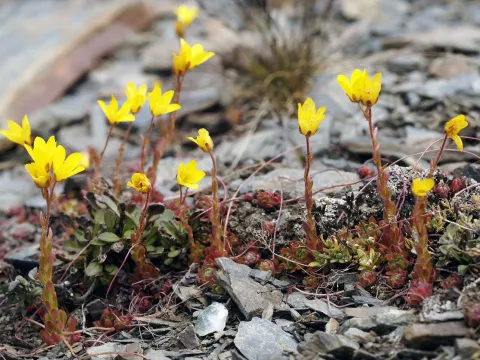
Ranunculus pulchellus
Ranunculus pulchellus
Ranunculus pulchellus is a perennial herbaceous plant belonging to the Ranunculaceae family. It is native to the high-altitude regions and wetlands of Central Asia, where it has adapted to thrive in moist environments and tolerate fluctuating alpine climate conditions.
What the section contains
Ranunculus pulchellus
Botanically, the species is characterized by its distinct root system, which allows it to store nutrients for regrowth, and its deeply divided leaves arranged in a basal rosette. The flowers are typically bright, reflecting the classic appearance of the buttercup genus with their glossy petals.
This plant requires specific environmental conditions to prosper, primarily focused on consistent soil moisture. It is best suited for planting in loam or clay-loam soils that have high water-holding capacity, making it an ideal choice for rain gardens or near water features.
Regarding climate requirements, Ranunculus pulchellus prefers cool to moderate temperatures. While it can withstand direct sunlight, it performs best when provided with some protection during the hottest hours of the day to prevent excessive evaporation from the foliage.
Cultivation practices involve maintaining adequate soil fertility through the application of organic matter or balanced fertilizers. Proper spacing is essential to ensure that plants have enough area to spread without competing for nutrients, which helps in maintaining healthy growth throughout the season.
The primary health risks for this species include fungal infections such as root rot and leaf spots, which are often triggered by waterlogged conditions. Ensuring proper drainage and preventing soil compaction are the most critical preventive measures for healthy development.
Pests such as aphids and spider mites can infest the foliage, especially during periods of reduced moisture stress. It is recommended to perform routine inspections and apply appropriate pest management strategies, focusing on biological controls to maintain the integrity of the ecosystem.