
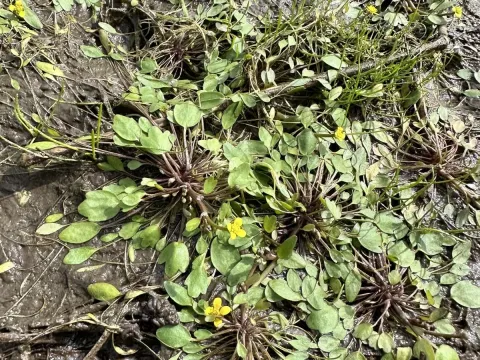
Ranunculus polyphyllus
Ranunculus polyphyllus
Ranunculus polyphyllus is a perennial herbaceous plant belonging to the Ranunculaceae family, characterized by its dense foliage and distinct growth habit in temperate ecosystems.
What the section contains
Ranunculus polyphyllus
The plant originates from regions with moderate humidity levels, often found in nature near wetlands or in areas with high soil moisture retention throughout the growing season.
Cultivation requires fertile, well-draining soil with a pH level ranging from neutral to slightly acidic to ensure optimal nutrient uptake and root development.
Environmental conditions should prioritize cool to moderate temperatures, as the plant exhibits sensitivity to extreme heat, which can lead to stress and reduced vigor.
In agricultural practice, consistency in watering is essential, as the species relies on soil hydration without suffering from prolonged saturation that could harm the root system.
Common phytopathological issues include fungal infections such as powdery mildew and root rot, which typically occur due to poor air circulation or excessive moisture.
Pest management focuses on controlling aphids and spider mites, which are known to infest the plant during warmer, drier periods of the growing season.
The plant contains natural chemical compounds that act as a deterrent to some herbivores, yet it remains susceptible to specific insects that have adapted to these toxins.
Proactive monitoring of the foliage and root zone is recommended to detect symptoms of stress or pathogen activity early, allowing for timely intervention with safe horticultural practices.
Proper field sanitation, including the removal of dead organic matter, is crucial for preventing the overwintering of spores that could threaten the crop in the following year.