
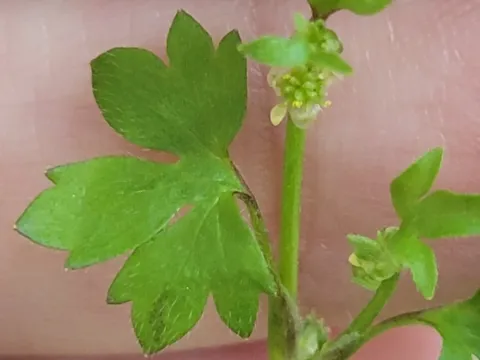
Ranunculus platensis
Ranunculus platensis
Ranunculus platensis is a herbaceous plant species belonging to the Ranunculaceae family. It is native to South America, particularly areas within Argentina and surrounding regions, where it thrives in natural grassland ecosystems.
What the section contains
Ranunculus platensis
The plant requires well-drained, fertile soil to ensure optimal growth. It is generally adaptable to different soil textures, but loamy conditions with adequate moisture retention are preferred for maintaining healthy foliage and root development.
Botanically, the species is characterized by its distinct leaf morphology, which is typically divided or lobed, and its specialized root structure. The plant shows moderate growth rates, making it manageable for controlled cultivation in research or ornamental settings.
Regarding climate, Ranunculus platensis prefers mild temperatures and adequate exposure to sunlight. While it can withstand periods of variable moisture, consistent watering during the growing season is essential to avoid stress and promote steady maturation.
The agricultural and economic utility of this species is primarily focused on its ornamental potential and botanical interest. Due to its specific growth habits, it is often utilized in specialized landscaping projects that aim to preserve native floral diversity.
Like many members of the Ranunculaceae family, the plant is susceptible to various fungal pathogens. Root rot, caused by excessive soil moisture, and powdery mildew are the most common health issues encountered in cultivation.
Pest threats include typical garden invaders such as aphids and leaf miners, which can damage the plant's aesthetic value. Integrated pest management strategies, including the use of neem oil or soft soaps, are recommended for organic control.
It is important to note that Ranunculus platensis contains alkaloids common to its family, which act as a natural deterrent against many generalist herbivores, including small mammals and certain insects.
Preventative measures for disease control include ensuring proper plant spacing to improve airflow. This practice significantly reduces the risk of fungal outbreaks, which thrive in humid and stagnant air conditions.
Monitoring for pest activity should be conducted weekly, especially during the peak growing season. Early detection of signs such as yellowing leaves or spotted tissues is vital for successful disease mitigation and overall crop protection.